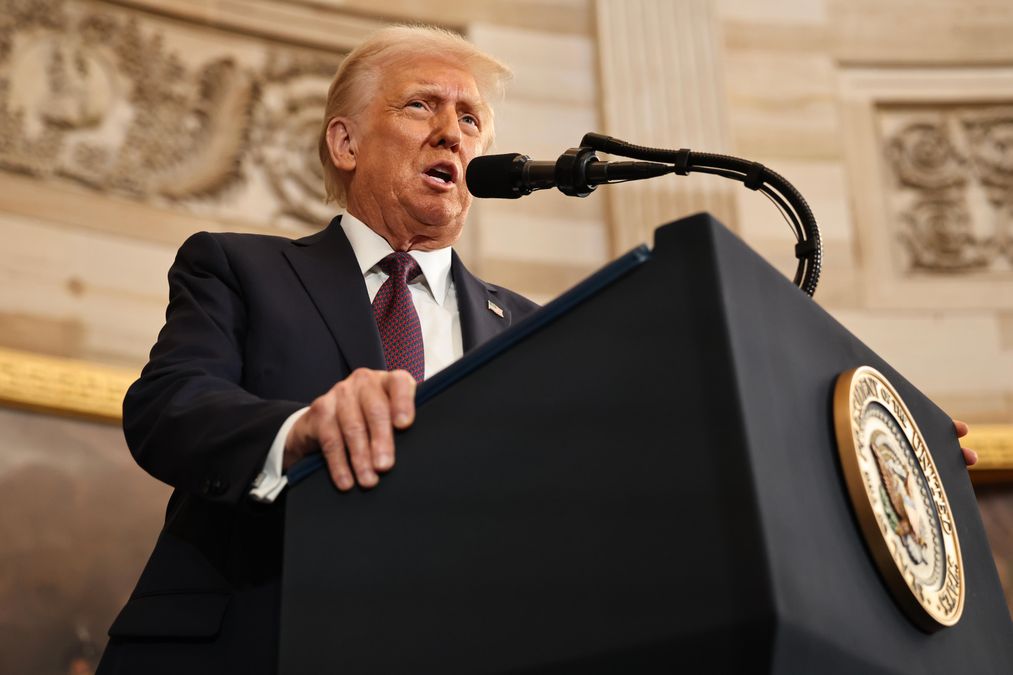
Affordability remains the primary concern for the electorate, with inflation and the rising cost of essentials like groceries and energy driving voter anxiety. Data from Pew indicates that 29 percent of voters prioritize economic issues above all else, while a Joseph Rainey Center survey highlights that 57 percent of respondents rank basic utilities and fuel among their top three domestic pressures. The administration's tariff strategy continues to fuel this debate, pitting arguments for industrial protectionism against concerns over consumer price hikes.
Foreign policy has also migrated into the domestic sphere, specifically regarding the conflict with Iran. Now a significant drag on approval ratings, the war has been linked to increased energy costs, with only 34 percent of those polled by Reuters/Ipsos supporting Trump’s handling of the situation. Immigration, once a reliable cornerstone of Republican support, has similarly grown complex. Disapproval of aggressive enforcement tactics has eroded the traditional GOP advantage, with a notable shift in sentiment among Latino voters, 62 percent of whom now reject current deportation policies.
Beyond policy, the president himself remains a central figure on the ballot. Trust in the administration’s ethics is low, as 66 percent of Americans surveyed by the University of Massachusetts Amherst express skepticism regarding the separation of presidential power and family business interests. Finally, the rapid integration of artificial intelligence has moved from tech discourse to local political battles. Beyond broad concerns about job displacement and regulation, the physical footprint of AI—specifically the massive energy and water demands of data centers—has turned into a localized flashpoint in states like Ohio, proving that even infrastructure is now a defining campaign issue.


Comments (0)
No comments yet. Be the first!