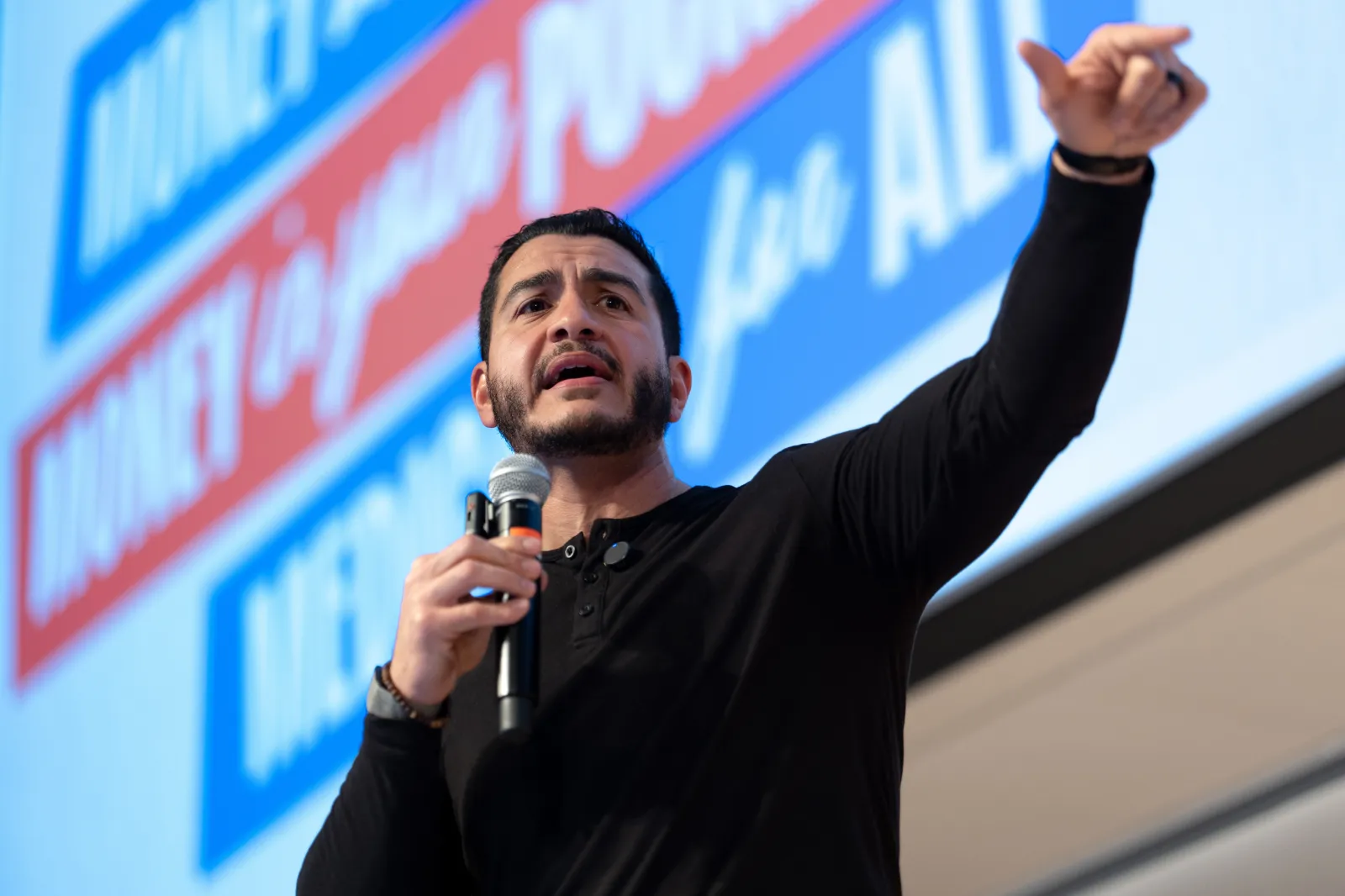
The race pits El-Sayed’s populist platform against Stevens, an establishment-backed moderate supported by party leadership and pro-Israel advocacy groups. Beyond local representation, the primary serves as a broader referendum on Democratic priorities, including healthcare expansion, economic reform, and the party’s stance on the conflict in the Middle East. Michigan’s status as a presidential battleground, coupled with its significant Arab American population, amplifies the stakes for a party attempting to reconcile its internal ideological shifts.
U.S. Representative Debbie Dingell noted that the party must unify quickly, emphasizing that voter anxiety over the cost of living—from groceries to rent—remains the primary driver for the electorate. While internal polling shows a sharp decline in Democratic support for military aid to Israel, the primary also highlights a persistent friction between progressive activists and the institutional wing of the party. A victory for El-Sayed would likely intensify debates regarding the effectiveness of anti-establishment messaging ahead of the next presidential cycle. Elsewhere, Missouri’s primary saw Wesley Bell successfully fend off a challenge, while Washington and Virginia voters solidified their own general election tickets, further defining the landscape for the upcoming battle for control of Congress.


Comments (0)
No comments yet. Be the first!