 Business
Stephen N. Ndegwa will transition to Bangkok on September 1, 2026, to oversee the World Bank’s operations in Thailand and Myanmar. The appointment places the veteran development strategist at the helm of two divergent portfolios: one focused on driving Thailand toward high-income status and the other navigating Myanmar's acute humanitarian crisis.
September 1, 2026
 Business
Urmila Devi, a farmer in Uttar Pradesh, no longer waits for an expert to inspect her wilting crops; she simply snaps a photo. Across India, lightweight artificial intelligence tools are transforming rural agriculture by providing instant, localized guidance on pests, weather, and market prices directly via standard smartphones.
September 1, 2026
 Business
Multilateral development banks have committed to a coordinated strategy to fortify fertilizer supply chains, aiming to insulate smallholder farmers from the volatility of global markets. This initiative seeks to prevent supply disruptions and price spikes that have historically forced low-income households into deeper food insecurity during international crises.
September 1, 2026
 Business
The HSBC India Manufacturing Purchasing Managers' Index slid to 52.8 in August, marking its third consecutive monthly decline. This drop pushes the sector below its long-run average of 54.2, as both production output and incoming new orders decelerated to their weakest growth rates in five years.
September 1, 2026
 Business
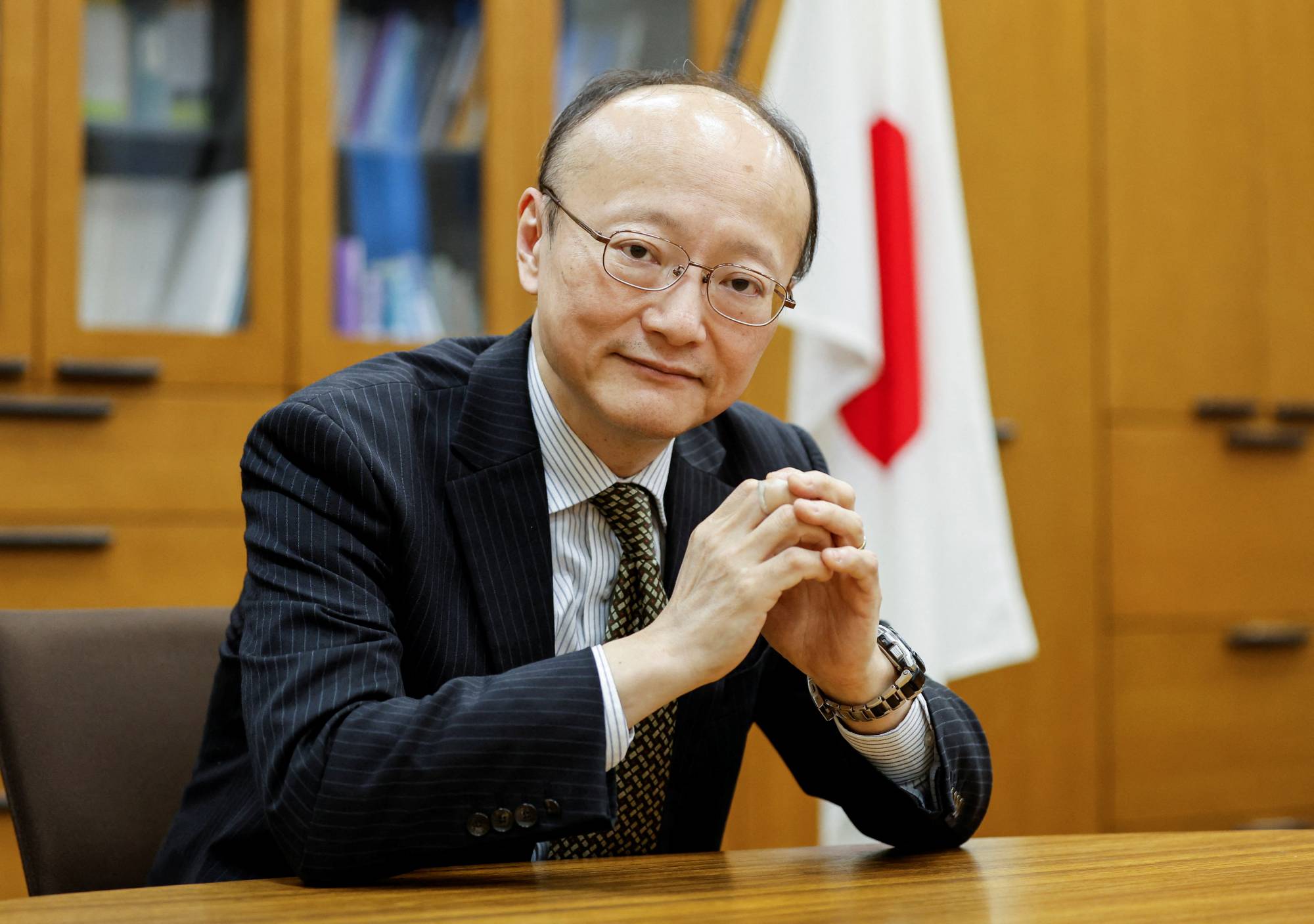
Masato Kanda secured a second term as President of the Asian Development Bank following a unanimous vote by the Board of Governors. His new five-year tenure begins on 24 November 2026, tasking him with navigating the institution through regional economic volatility, mounting climate pressures, and persistent global market shocks.
September 1, 2026
 Business
While Tajikistan has successfully reduced poverty and maintained stability, the nation’s next development phase requires shifting from remittance dependency toward sustainable domestic employment. UN independent expert Attiya Waris warned that unless growth reaches rural families, women, and youth, the current economic trajectory will fail to provide long-term opportunity.
September 1, 2026
 Business
A new €250 million financing agreement between EIB Global and Banco do Brasil aims to unlock €500 million in microcredit for women entrepreneurs across the Brazilian Amazon. The initiative targets 50,000 small business owners, providing the capital necessary to expand operations and secure long-term financial stability in remote regions.
September 1, 2026
 Business
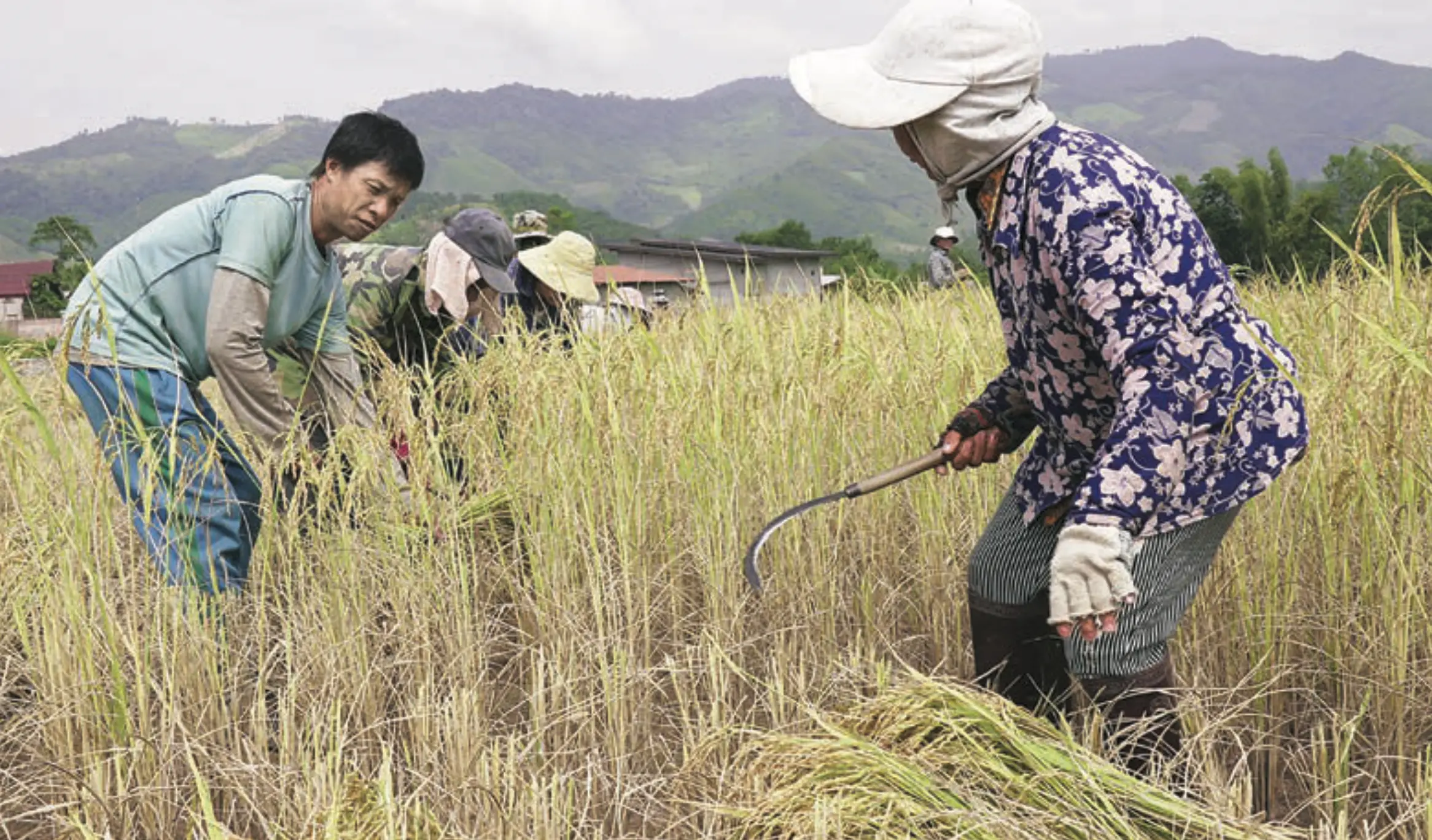
Nuclear science is reshaping agriculture in the Lao People's Democratic Republic, where farmers now rely on high-yield, mutation-bred rice to combat climate instability. By integrating lab-developed genetics with traditional farming experience, the initiative provides a resilient alternative to local crops vulnerable to flooding and disease.
September 1, 2026
 Business
Despite a robust 7.8 percent GDP growth in the first quarter, Indian benchmark indices opened in the red on Tuesday. Investors sidelined the positive domestic macroeconomic data, choosing instead to focus on a cocktail of rising crude oil prices, elevated US Treasury yields, and persistent global market volatility.
September 1, 2026
 Business
With oil production plummeting nearly 40 percent since 2015, Angola faces a narrowing window to stabilize its public finances. An IMF assessment suggests that lowering the national debt anchor to 51 percent of GDP is necessary to insulate the country from the volatile commodity cycles that currently dictate its fiscal health.
September 1, 2026
 Business
Treating Brazil, Russia, India, China, and South Africa as a singular model for decarbonization ignores the unique social and institutional realities shaping their emissions. A recent study published in Sustainability reveals that common energy-transition policies often fail to account for the deep structural differences between these five emerging nations.
August 31, 2026
 Business
Morocco is pivoting from a simple host for renewable energy projects toward a complex hub for battery and hydrogen manufacturing. A new study examining Chinese-Moroccan cooperation highlights that attracting foreign capital is only the first step; the real challenge lies in building domestic industrial capabilities that endure.
August 31, 2026
 Business
With opening sugar inventories projected to hit a decade low of 3 million tonnes by October 2026, India faces a tightening supply cycle. This thin buffer leaves little room for error, forcing policymakers to navigate a volatile intersection of poor weather, ethanol mandates, and competing demand for grain-based feedstocks.
August 31, 2026
 Business
With 30% of the world's mineral reserves yet receiving less than 10% of global exploration spending, African nations are leveraging the upcoming Mining Week in Cape Town to shift from raw material exporters to influential price setters in the critical minerals market.
August 31, 2026
 Business
The European Investment Bank is injecting €100 million into Elekta AB, a Stockholm-based medical technology firm, to accelerate the development of next-generation cancer and neurological treatments. This capital commitment will finance half of the company’s planned €200 million research initiative scheduled to run through 2029.
August 31, 2026
 Business
With domestic production stagnating, India faces a looming spike in liquefied natural gas costs starting in September. Despite spot prices exceeding $20 per million British thermal units, local demand remains stubborn, forcing downstream industries to absorb significant margin pressure rather than cutting back on consumption levels.
August 31, 2026
 Business
Advanced economies face a potential loss of 0.7 percentage points in annual per-capita GDP growth as climate change, aging populations, and geopolitical fragmentation converge. While artificial intelligence offers a promising boost to productivity, the International Monetary Fund warns that technology alone is insufficient to offset these combined structural headwinds.
August 30, 2026
 Business
Conflict between government spending authority and actual cash availability has paralyzed infrastructure development in Papua New Guinea, prompting an IMF-backed proposal to shift from reactive monthly rationing to a system of quarterly commitment planning designed to restore private sector confidence and stabilize the national capital budget.
August 30, 2026
 Business
While Asia-Pacific tourism has surged back to pre-pandemic heights, reaching a $3.2 trillion economic contribution in 2024, the Asian Development Bank warns that physical infrastructure alone is insufficient. True resilience requires a fundamental shift toward simplified visa systems and harmonized aviation policies to turn transit hubs into viable economic corridors.
August 30, 2026
 Business
While China’s massive release of government data has spurred business creation and job growth across hundreds of cities, a new Asian Development Bank study warns of a darker trade-off. Increased transparency is widening the wage gap between executives and ordinary workers while simultaneously eroding essential employee benefits and protections.
August 30, 2026
 Business
While Africa has spent decades slashing tariffs to boost commerce, the continent's economic output remains stunted by internal fragmentation. A new World Bank–Agence française de développement report suggests the real barrier is not insufficient trade, but a lack of integrated logistics, payment systems, and industrial infrastructure.
August 29, 2026
 Business
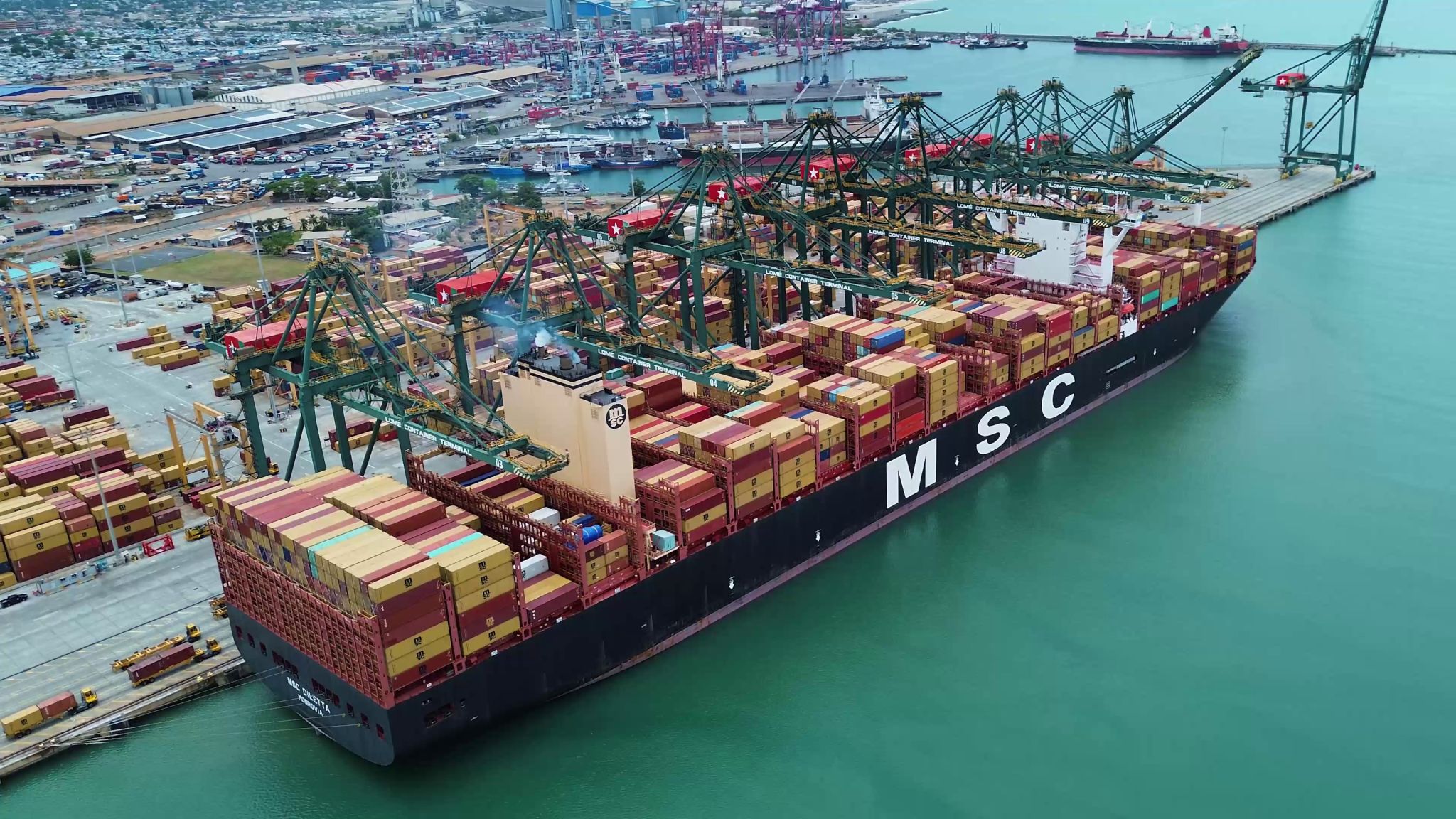
The African Continental Free Trade Area has established a massive framework for unity, yet the real test lies in the mundane mechanics of daily commerce. A new World Bank report suggests that the continent’s economic future depends on fixing disconnected customs, payment systems, and infrastructure that currently stall regional trade.
August 29, 2026
 Business
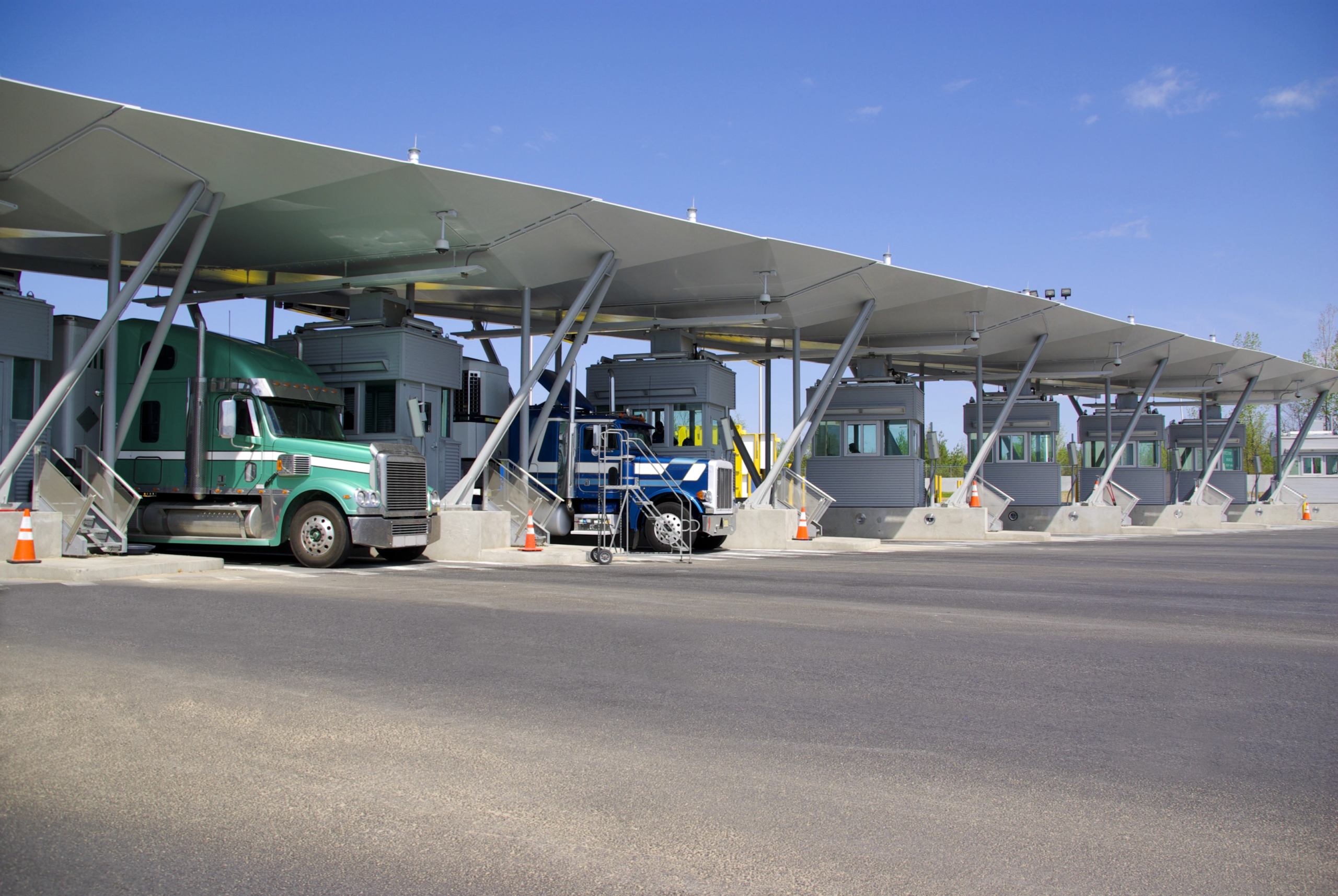
The Asian Development Bank has unveiled a $400 million initiative, the Border Upgrades for Integration, Logistics, and Development facility, aiming to dismantle the administrative and physical bottlenecks that stifle trade across the CAREC region, where outdated inspection systems often negate the benefits of modernized transport corridors.
August 29, 2026
 Business
Six development teams from across Latin America and the Caribbean have been named finalists for the IDB Group’s Superheroes of Development award. The initiative shifts the focus from final outcomes to the messy reality of implementation, highlighting how teams in Paraguay, Belize, Bolivia, Costa Rica, El Salvador, and Colombia navigated setbacks.
August 29, 2026
 Business
The Inter-American Development Bank and South Korea’s Jeju Province have signed a memorandum of understanding to overhaul tourism and energy governance across Latin America and the Caribbean. The partnership leverages Jeju’s expertise in data-driven management and sustainable infrastructure to help regional institutions navigate complex digital and environmental transitions.
August 29, 2026
 Business
The Asian Development Bank has authorized a $5 million emergency grant to bolster rescue and relief efforts in Nepal following catastrophic flooding on August 26. The disaster, which devastated communities along the Bhotekoshi and Trishuli river systems, left families displaced and stripped of essential services across three key districts.
August 29, 2026
 Business
The Asian Development Bank has approved a $400 million financing facility aimed at transforming Central Asia’s congested border crossings into high-efficiency trade gateways. The BUILD initiative targets persistent bottlenecks that inflate logistics costs and stifle regional economic integration across the 11-nation CAREC program area.
August 29, 2026
 Business
With economic competitiveness and energy security increasingly intertwined, the European Investment Bank has greenlit a €9.2 billion financing package. The funds target a wide spectrum of priorities, from small-scale enterprises in critical sectors to massive infrastructure projects spanning from the European Union to African and Latin American markets.
August 29, 2026
BusinessAfrica’s economic future hinges on moving beyond signed agreements toward the granular reality of logistics and infrastructure. A new World Bank report argues that integrating 54 distinct economies into a singular, functioning market requires dismantling the everyday friction that currently stifles cross-border trade, production, and professional services.
August 29, 2026
 Business
Ethiopia is overhauling its macroeconomic forecasting systems to better manage inflation, public debt, and the volatility of sweeping financial reforms. Backed by an IMF technical assistance program, the Ministry of Finance aims to move away from overly optimistic targets toward realistic projections that reflect actual economic behavior.
August 28, 2026