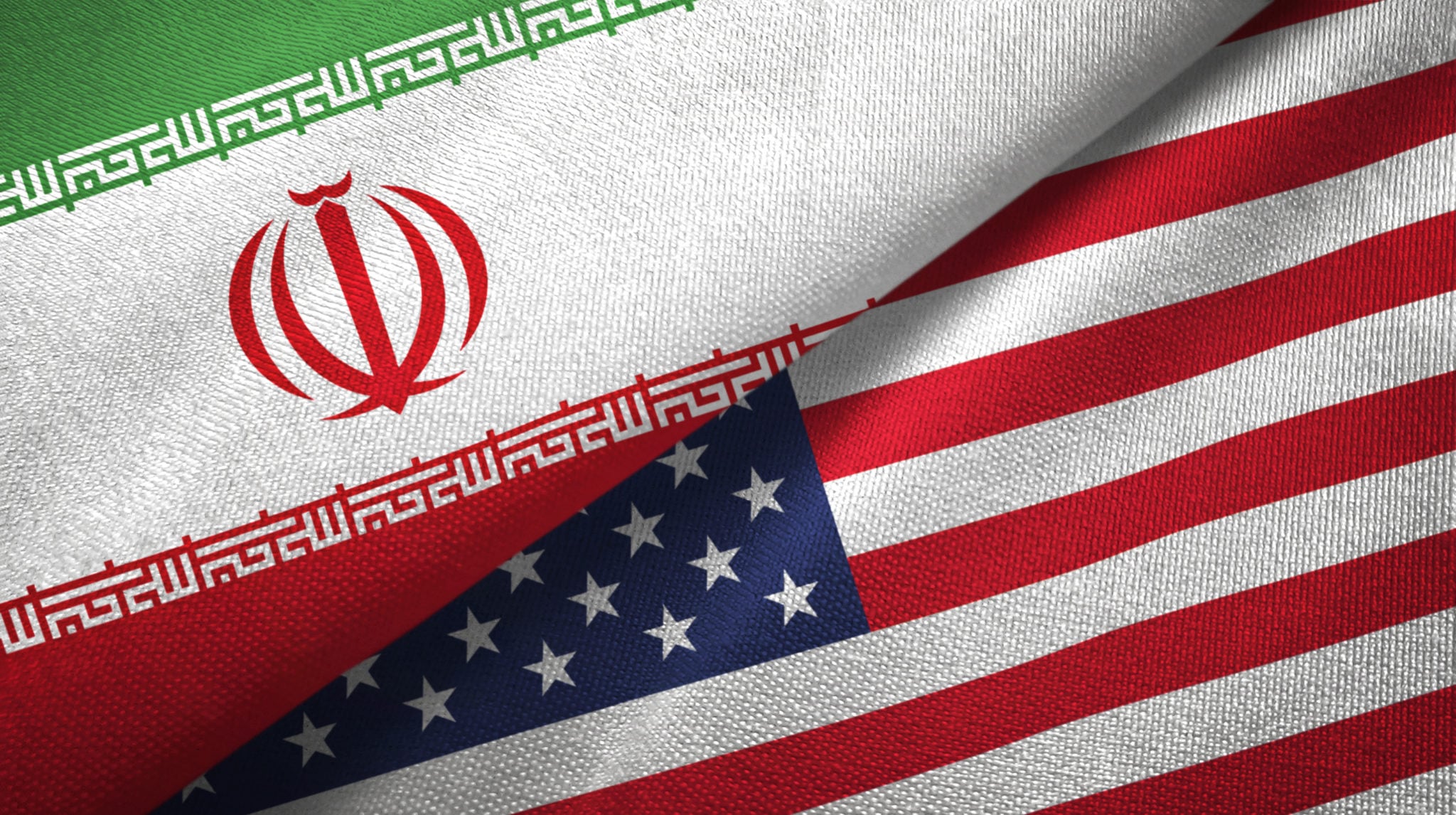
The proposed deal seeks to address immediate regional friction by reopening the Strait of Hormuz, lifting the existing U.S. blockade, and establishing a cessation of hostilities in Lebanon. While Foreign Minister Abbas Araqchi maintains that Iran emerged from the conflict with increased leverage, internal discord complicates the path forward. President Trump faces mounting pressure from domestic critics and international observers skeptical of the concessions granted to Tehran, particularly regarding the unresolved issue of Iranian nuclear ambitions.
Global financial markets have reacted sharply to the news, favoring a cooling of tensions with a decline in oil prices and an uptick in equity valuations. However, the fragility of the agreement is evident on the ground, where U.S. forces continue to intercept Iranian drones. With mid-term elections approaching, the political cost of these negotiations remains a significant variable in Washington's strategy to finalize the pact.

/newsdrum-in/media/media_files/2025/07/22/harivansh-rajya-sabha-2025-07-22-11-41-16.jpg)

Comments (0)
No comments yet. Be the first!