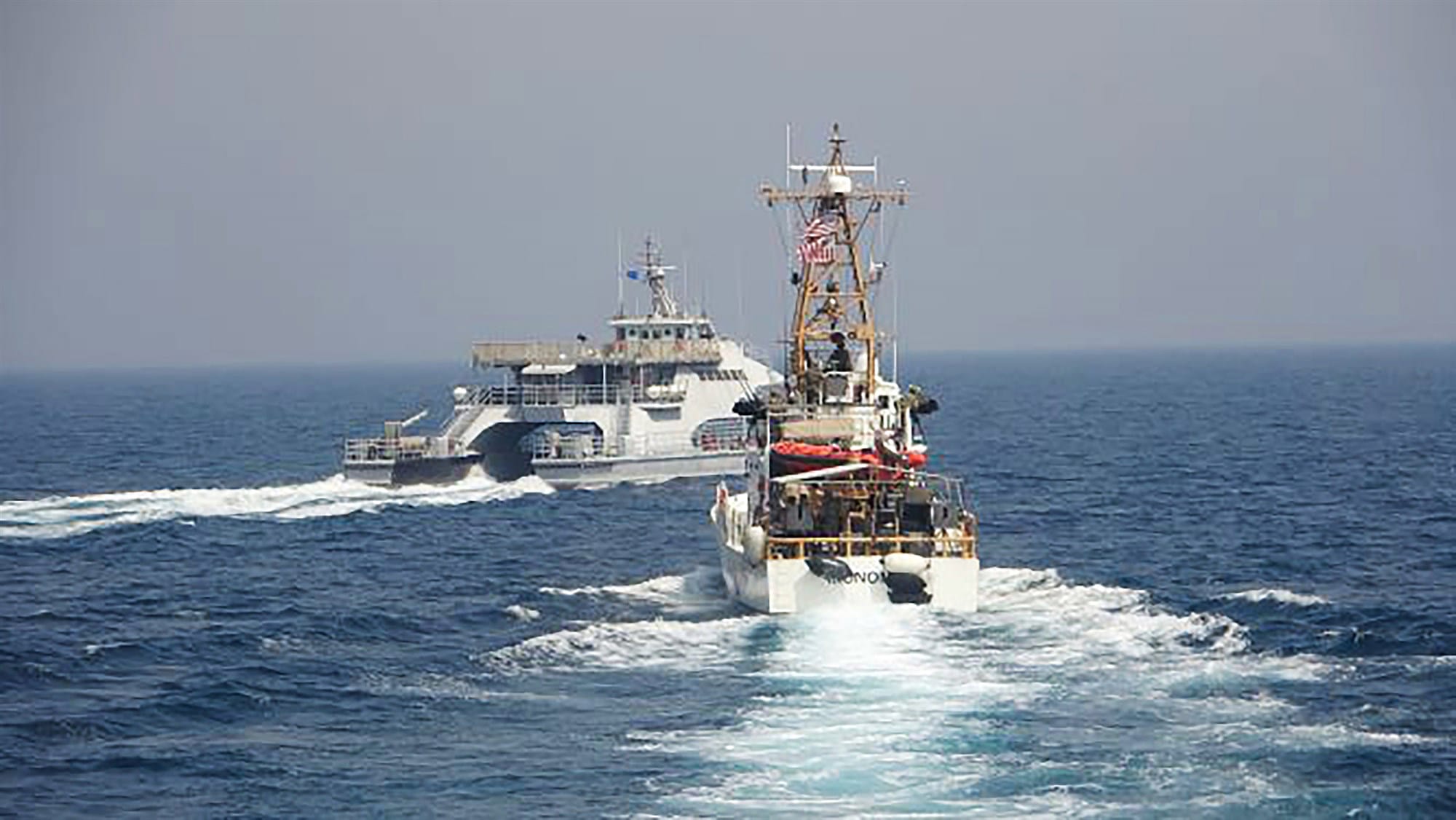
The U.S. Central Command confirmed the targeted strikes on coastal surveillance sites, identifying them as a necessary response to Iranian drones threatening maritime traffic. Tehran responded with a coordinated volley of missiles aimed at U.S. military installations, which Kuwaiti defense systems intercepted. While Iran claims successful hits, U.S. officials maintain that six of the seven inbound missiles were neutralized, resulting in material damage but no immediate loss of life.
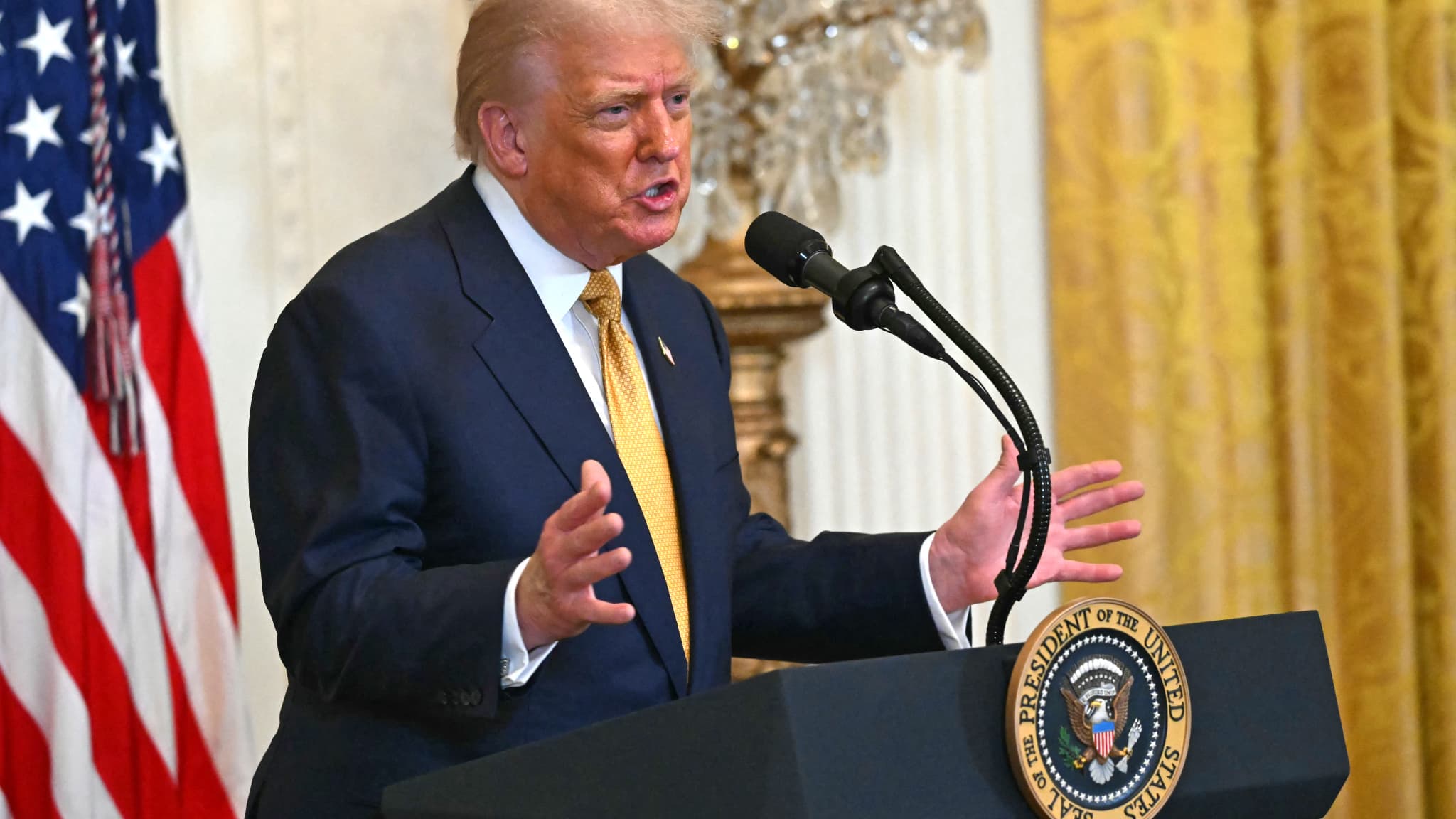
Diplomatic channels remain strained as Pakistan’s interior minister, Mohsin Naqvi, attempts to broker communication with Tehran. Iran demands the release of $24 billion in frozen assets and the lifting of oil sanctions as prerequisites for peace. President Donald Trump, facing domestic backlash over surging fuel costs, acknowledged that while significant Iranian missile infrastructure has been neutralized, the state retains enough capability to disrupt global supply chains.
Parallel instability in Lebanon adds pressure to the regional landscape, as an Israeli strike killed three Lebanese military personnel. Hezbollah has tied any potential U.S.-Iran peace deal to a wider cessation of hostilities with Israel, a condition currently rejected by negotiators. The United Nations warns that the ongoing maritime blockade and aerial strikes are now directly exacerbating food insecurity across the region due to soaring transport costs.


Comments (0)
No comments yet. Be the first!