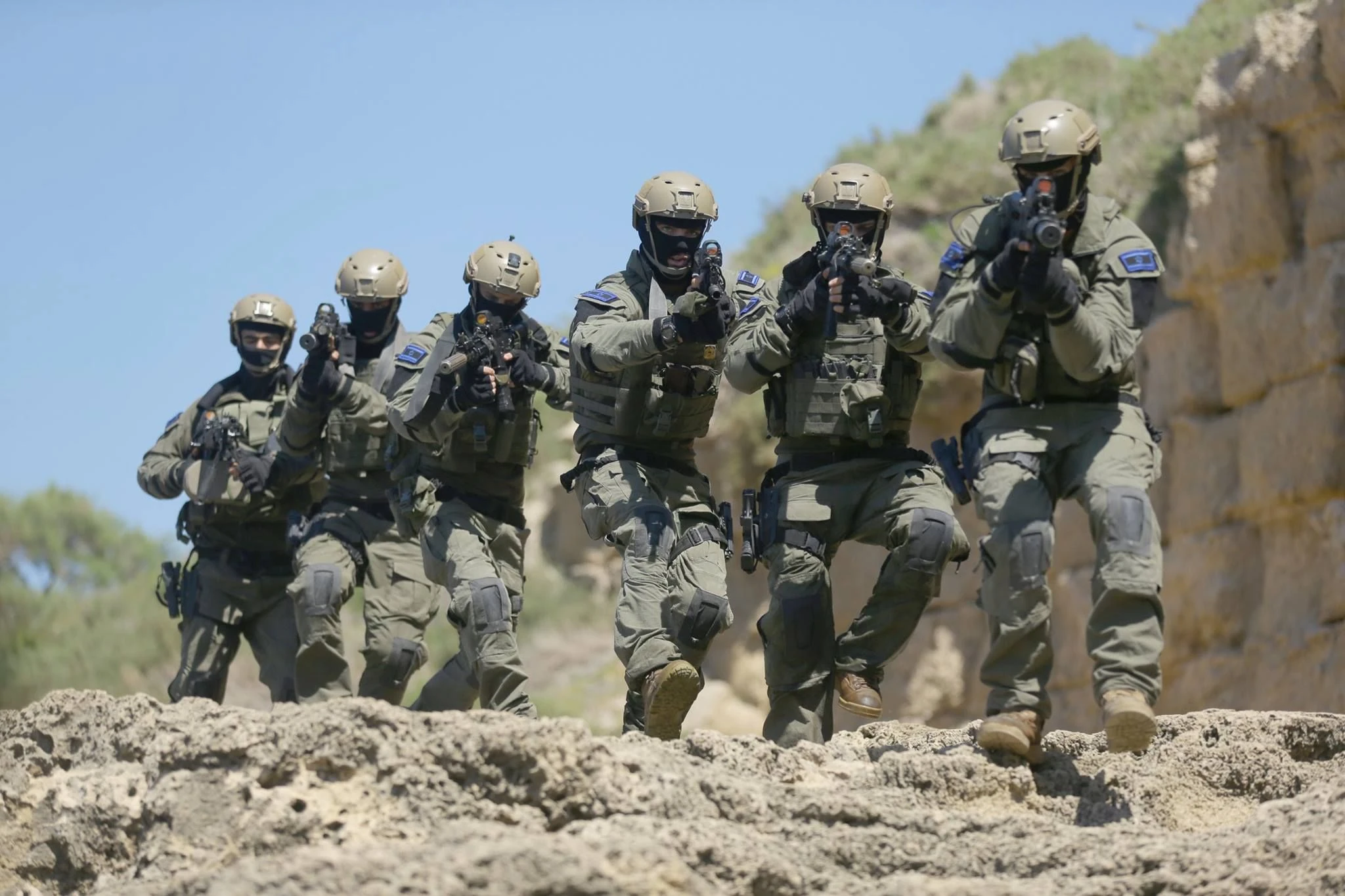
The deployment in Azerbaijan evolved from an initial plan for rescue teams into a multi-faceted hub for intelligence gathering and commando operations. According to reports, the site housed several dozen personnel, including Mossad agents and elite heliborne combat units. These forces utilized listening devices and surveillance equipment installed weeks before the first strikes, creating a critical early-warning post for missile launches and providing a window into Iranian military movements. Among the operations tied to this network was the March 4 killing of Rahman Moghaddam, an IRGC intelligence official accused of orchestrating an assassination plot against Donald Trump.
While Baku has officially rejected claims regarding the use of its territory for third-country operations, the partnership remains one of Israel’s most significant strategic alliances. Israel relies on Azerbaijan for a substantial share of its oil, while Azerbaijan is a major recipient of Israeli defense technology, including Iron Dome systems. This regional strategy extended well beyond the Caucasus; similar covert facilities were reportedly established in Iraq, the UAE, and Somaliland, surrounding the Iranian periphery. Despite denials from host nations, these sites functioned as a coordinated perimeter that allowed Israel to maintain unprecedented access to Iranian territory throughout the war.



Comments (0)
No comments yet. Be the first!