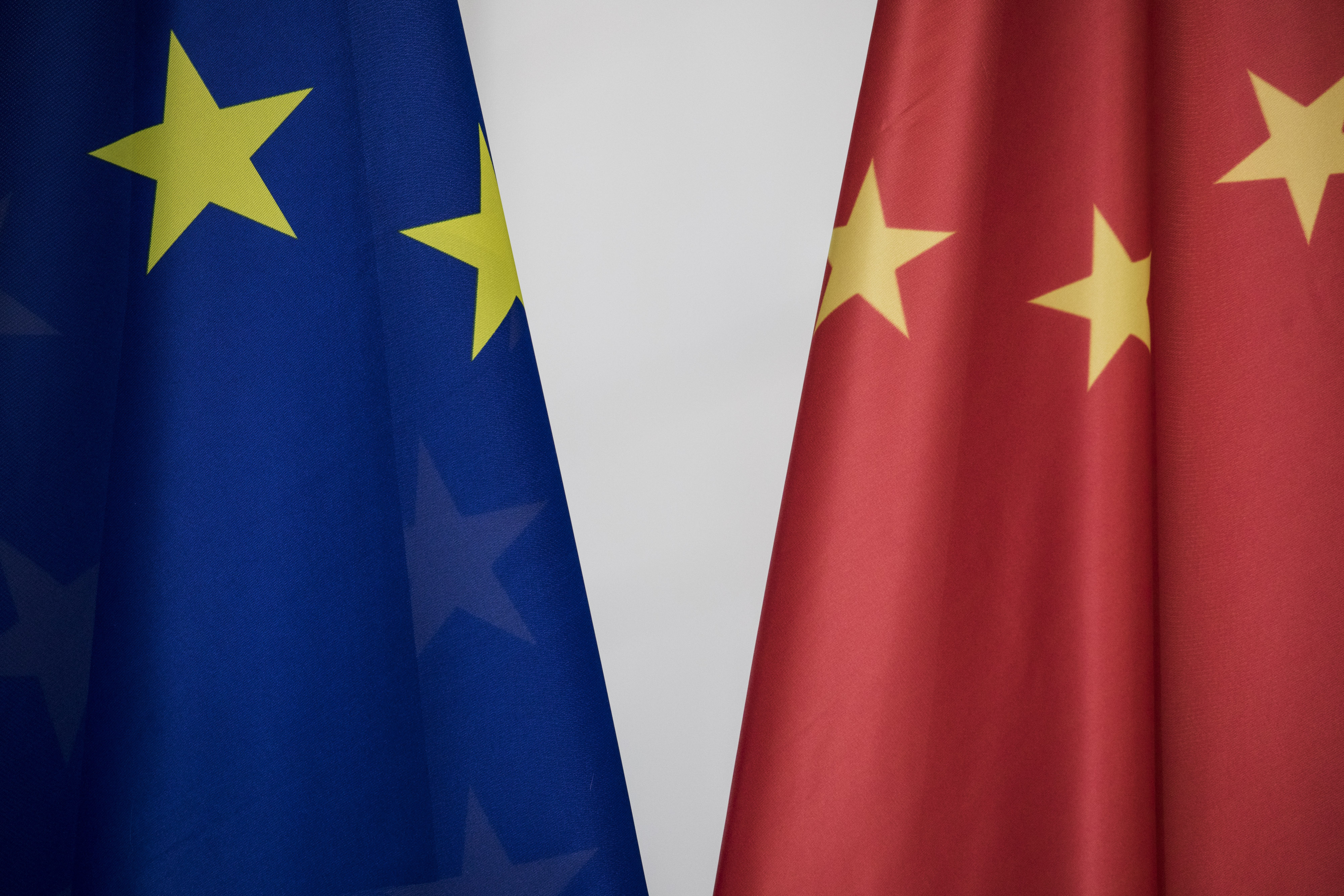
The Xi’an Dialogue, hosted by Jiaotong University, served as a counterpoint to the prevailing atmosphere of protectionism in Brussels. As the EU debates measures against Chinese electric vehicles and supply chain dependencies, participants in China—including former ambassadors and trade experts like Peter Van Den Bossche—argued that the current focus on confrontation ignores the necessity of long-term cooperation. The conference provided a rare space for candid exchange, addressing systemic differences in industrial policy, the future of the WTO, and the historical drivers of bilateral tension.
Critiques were not one-sided. Chinese participants frequently challenged their own country’s policies, while European counterparts faced uncomfortable questions regarding their own economic models and lack of depth in understanding Chinese governance. The event highlighted a stark asymmetry: Chinese observers often displayed a sharper grasp of European legal frameworks than vice versa. Organizers hope to establish the Xi’an Dialogue as an annual fixture, moving beyond unilateral policy declarations to foster a relationship based on transparency and mutual respect. With the two regions accounting for over a third of global trade, proponents argue that informal, academic-led engagement is the only viable path to preventing a full-scale trade collapse.

Comments (0)
No comments yet. Be the first!