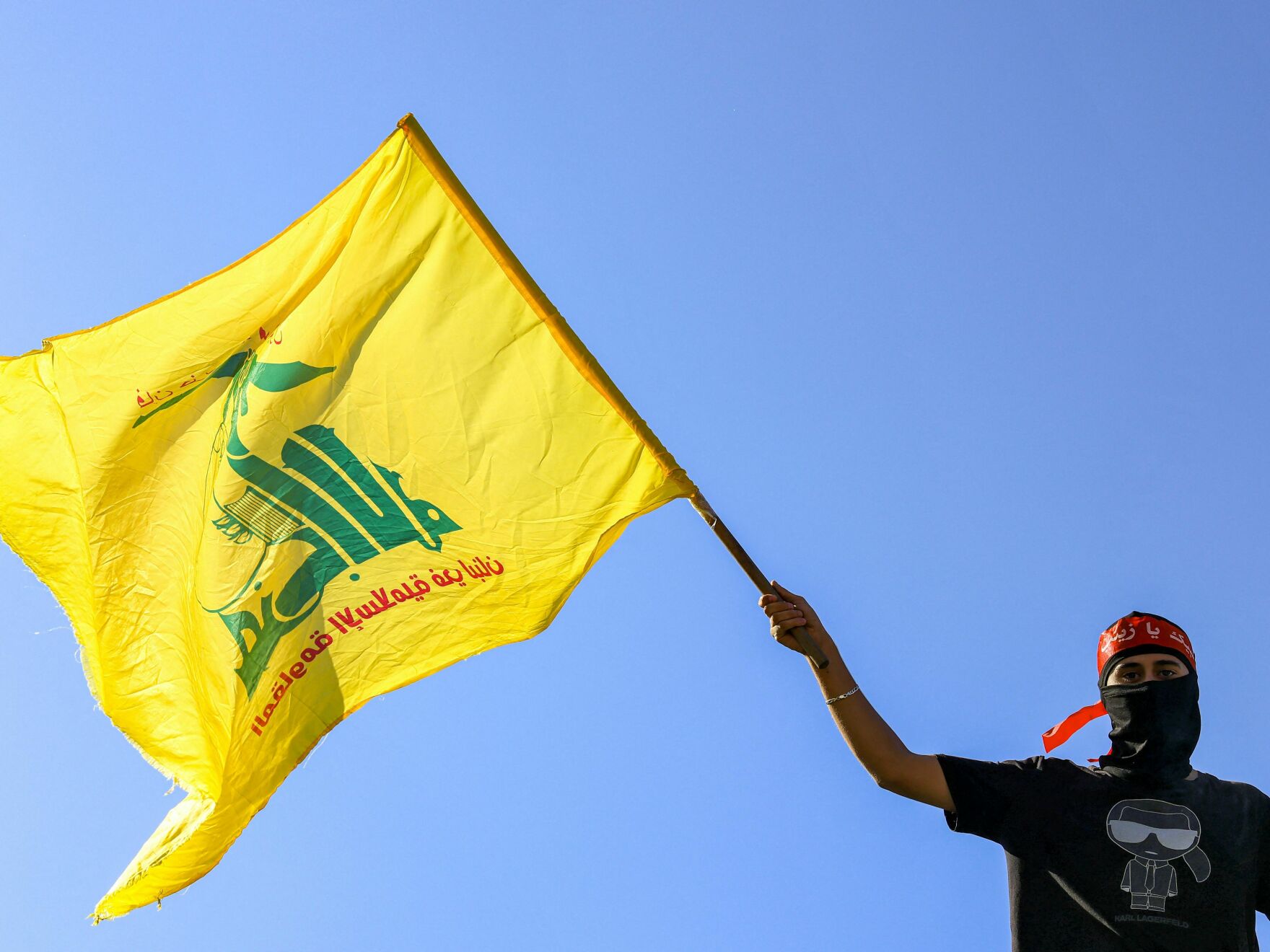
The rejection exposes a critical flaw in current diplomatic architecture: the Lebanese government, which negotiated the terms with Israel, lacks the authority to enforce a truce that contradicts the objectives of its most powerful military actor. For Tehran, Hezbollah serves as a foundational pillar of its regional deterrence strategy. Consequently, Iranian officials have explicitly tied progress in nuclear and sanctions negotiations to the survival and military standing of their allies in Lebanon. This linkage transforms a localized border conflict into a high-stakes bargaining chip between Washington and Tehran.
For Israel, the refusal validates its insistence on maintaining military pressure, arguing that a withdrawal without ironclad security guarantees would simply allow Hezbollah to reconstitute its infrastructure. Yet, this aggressive stance risks drawing Iran into a deeper, more direct confrontation, further complicating global energy security concerns in the Gulf. The immediate prospect is not a comprehensive settlement, but rather a persistent, low-intensity conflict. Unless future diplomatic channels engage directly with the realities of Hezbollah’s influence, these efforts remain disconnected from the actual conditions on the ground. The ultimate outcome hinges on the incoming U.S. administration’s willingness to navigate the competing demands of Israeli security and Iranian regional ambitions.


Comments (0)
No comments yet. Be the first!