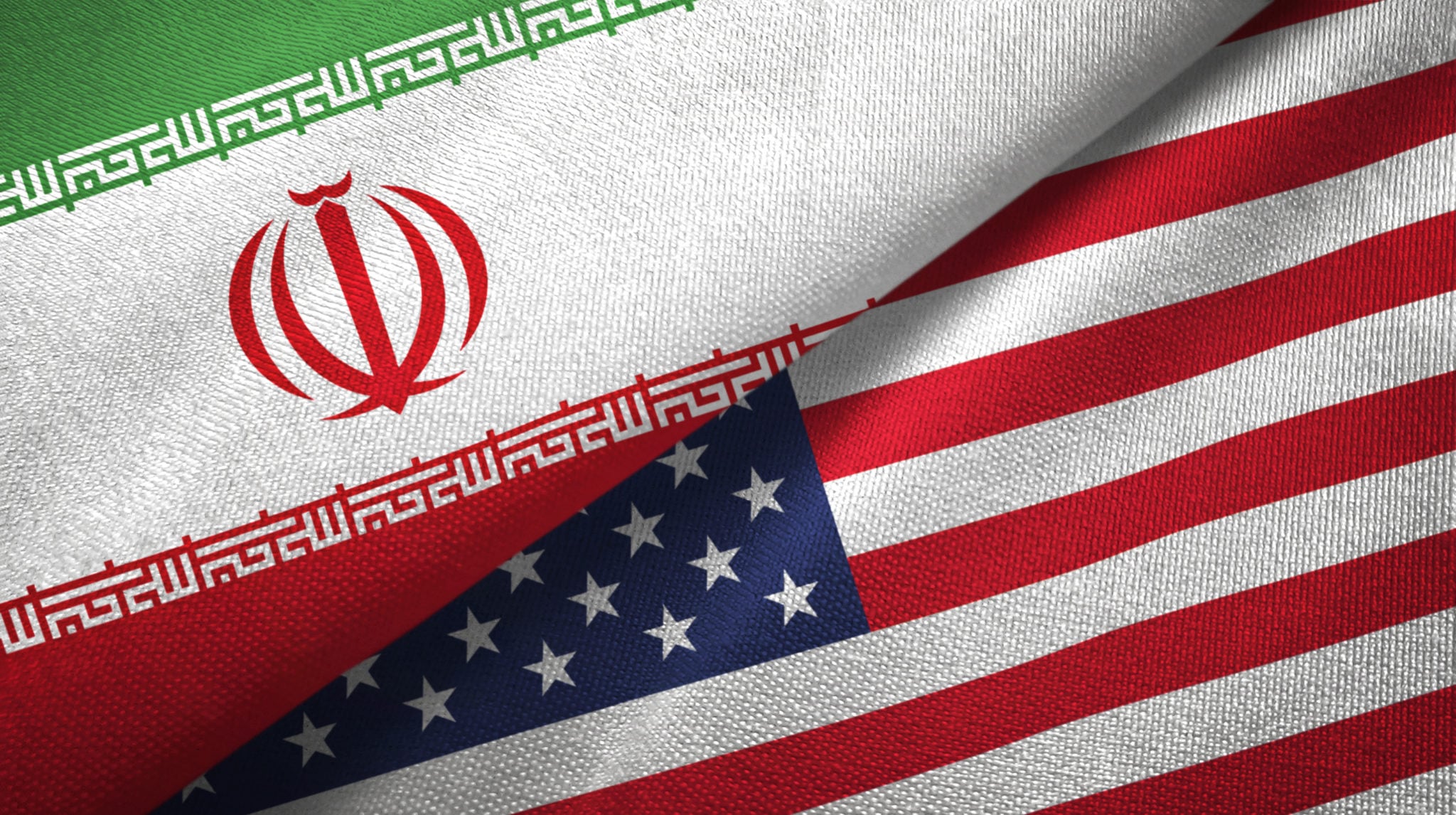
The memorandum, rooted in a 14-point U.S. proposal, seeks to pause the hostilities that ignited on February 28, 2026, when Operation Epic Fury targeted Iranian nuclear and military infrastructure. While the subsequent April 8 ceasefire provided a necessary reprieve, the core objectives of the conflict—nuclear dismantlement and regional containment—remain unfulfilled. The framework currently under discussion proposes a tenuous exchange: Iran would reaffirm its commitment to forgo nuclear weapons and reopen the Strait of Hormuz, while the U.S. would negotiate sanctions relief and the unfreezing of assets.
However, the structural weaknesses of the agreement are stark. There is no binding moratorium on uranium enrichment, with the U.S. seeking a 20-year commitment and Tehran offering only five. Furthermore, the deal leaves Iran’s ballistic missile program and its regional proxy network entirely unaddressed. Discrepancies between American and Iranian messaging are already undermining the process; while U.S. officials claim private assurances, the semi-official Fars News Agency has publicly denied that Iran has committed to dismantling its nuclear stockpiles or facilities.
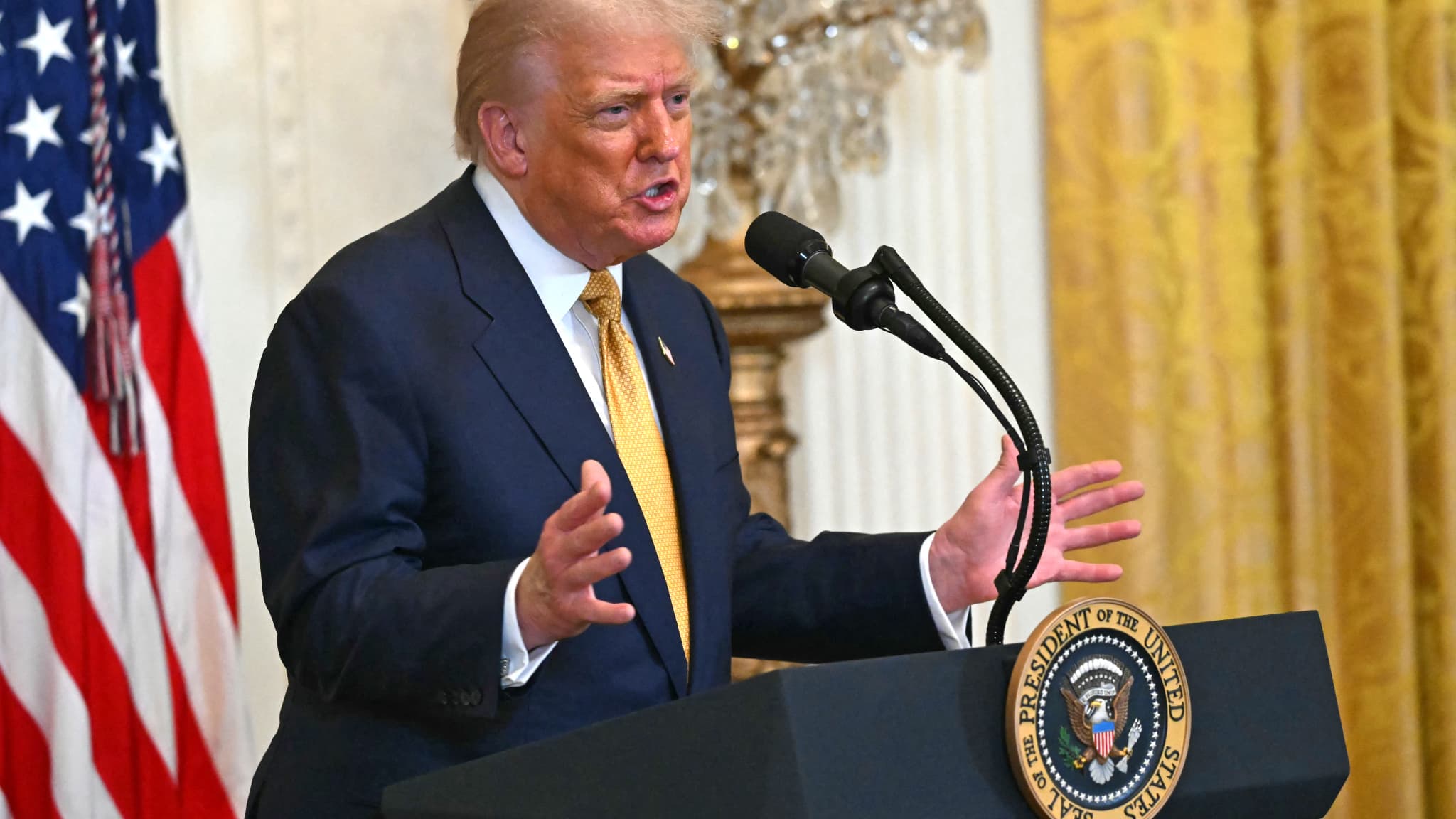
Domestic and regional pressures further complicate the path forward. President Trump faces mounting scrutiny from Republican figures like Ted Cruz and Lindsey Graham, who view the current framework as a strategic retreat. Simultaneously, Israel has signaled its intent to maintain “freedom of action,” effectively reserving the right to intervene regardless of any formal agreement. With the U.S. midterm elections approaching on November 3, 2026, the administration’s drive for a stable energy market via a reopened Strait of Hormuz risks trading long-term security for a temporary, politically convenient lull in hostilities.


Comments (0)
No comments yet. Be the first!