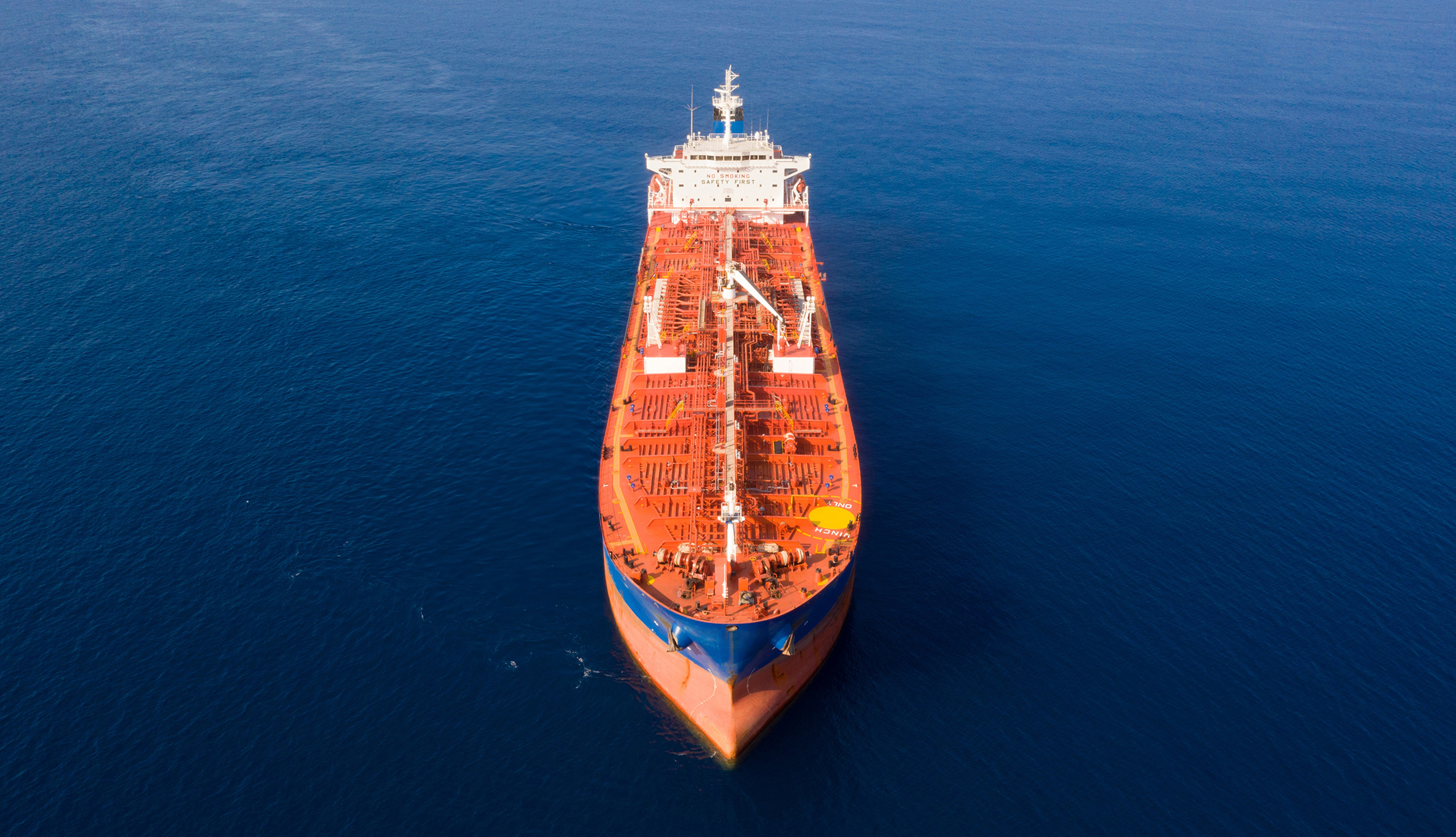
Shipping data from LSEG and Kpler confirms that tanker traffic remains a fraction of pre-conflict levels, with only a handful of vessels navigating the strait daily. However, the volume of crude stored on ships within the Gulf has dropped from a March peak of 184 million barrels to approximately 148 million barrels. This depletion signals that oil is finding its way out of the region, even as standard maritime surveillance fails to account for the movement.
Operators are increasingly relying on stealth tactics to bypass security risks and soaring insurance costs. Analytics firm Vortexa reports that a significant majority of outbound tankers now disable their Automatic Identification System signals during transit. This shift toward opaque logistics complicates pricing benchmarks and leaves traders guessing about the true scale of supply. While some speculate that Iran might eventually impose formal controls or tolls on the waterway, the current reality is a fragmented system where secrecy has become a standard, albeit high-risk, strategy for energy transit.




Comments (0)
No comments yet. Be the first!