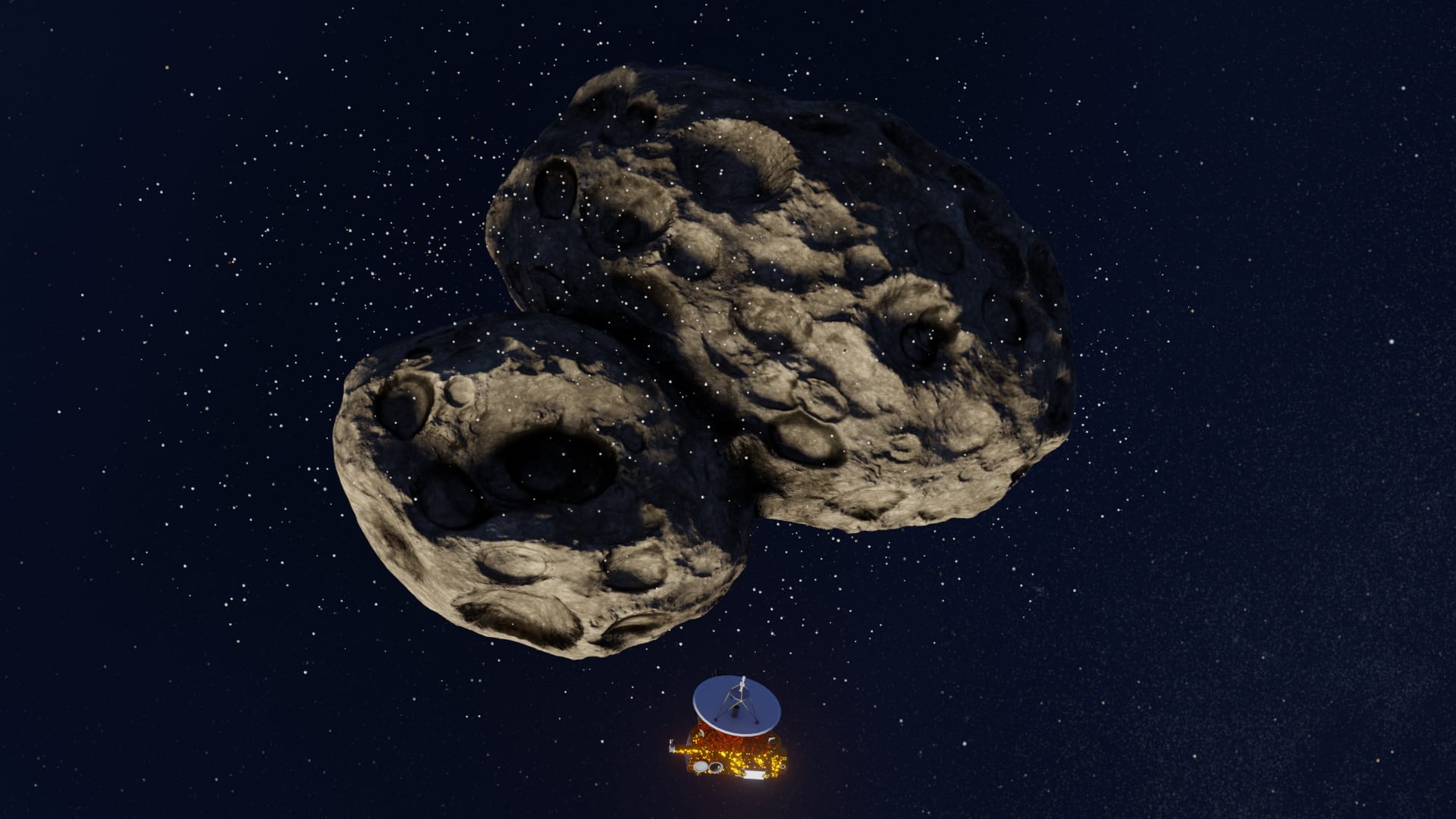
The atmosphere surrounding 2002 XV93 is exceptionally sparse, measuring roughly 5 to 10 million times thinner than Earth’s. Given the object’s modest size and weak gravity, researchers estimate this layer is transient, likely dissipating entirely within a millennium. Its existence suggests an active replenishment process, challenging current understanding of how such small bodies maintain gaseous envelopes.
Ko Arimatsu, lead researcher from the National Observatory of Japan, suggests two primary drivers: cryovolcanism or a recent surface impact. While cryovolcanic activity—where water, methane, and ammonia behave like molten rock—is typically associated with larger celestial bodies, it remains a plausible source of escaping gases. Alternatively, a collision could have exposed volatile-rich material, though such events are statistically infrequent.
The team confirmed the presence of the atmosphere on January 10, 2024, by observing a stellar occultation. As 2002 XV93 passed in front of a distant star, the light dimmed and brightened gradually rather than blinking out sharply, revealing the refractive effect of a surrounding gas layer. Future observations with the James Webb Space Telescope are expected to clarify the chemical composition of this ephemeral halo and determine if it is currently fading or being steadily maintained by internal activity.




Comments (0)
No comments yet. Be the first!