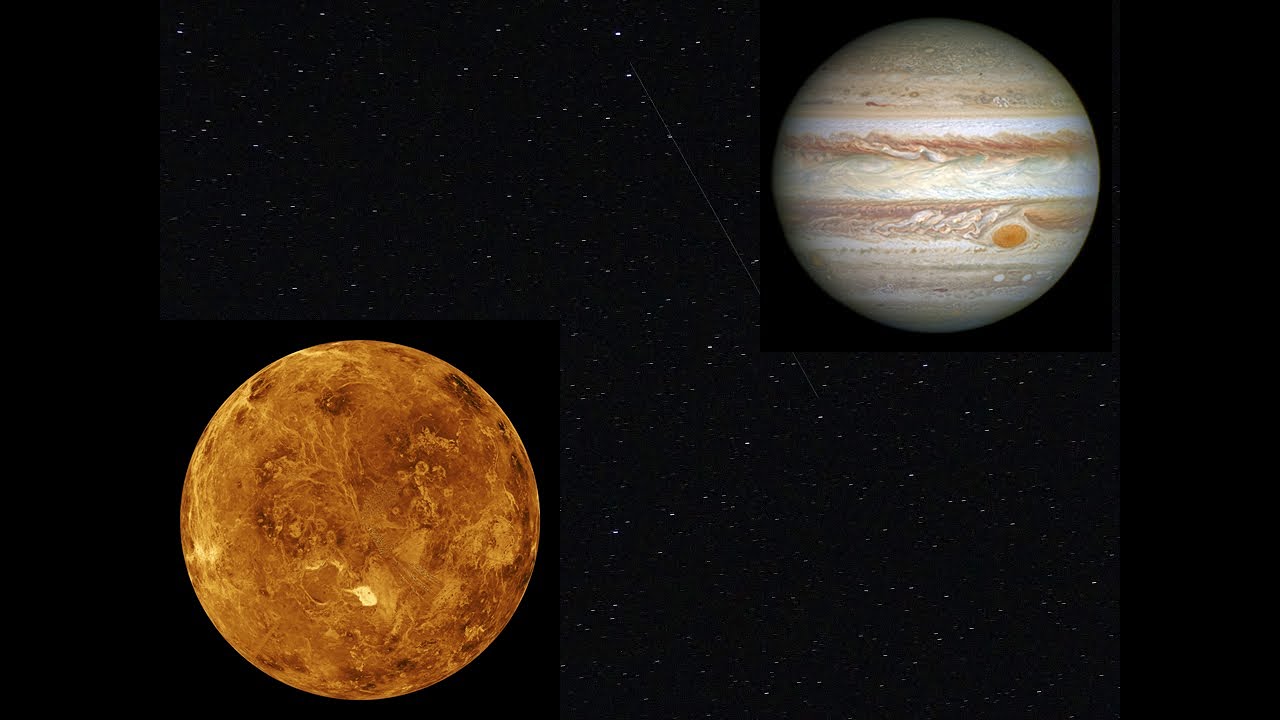
Early in June, Venus and Jupiter anchor the western sky, appearing in close proximity by June 9. Between June 11 and June 15, Mercury joins this pair, aligning along the ecliptic to form a compact planetary grouping. While Venus remains the most prominent of the three, Mercury sits lower toward the horizon, requiring a clear, unobstructed view for successful spotting.
On June 17, the Moon tracks directly in front of Venus, creating a lunar occultation visible from parts of the United States, Canada, Brazil, and Venezuela. Because this transit often occurs during daylight hours, NASA warns that telescopes and binoculars must be equipped with proper solar filters to prevent permanent eye damage. Following this event, the June 21 solstice signals the Northern Hemisphere’s longest day, though local sunrise and sunset times will vary by latitude. The month concludes with the emergence of the Summer Triangle, composed of Vega, Altair, and Deneb, providing a backdrop for observing the Dumbbell, Ring, North America, and Veil nebulae.




Comments (0)
No comments yet. Be the first!