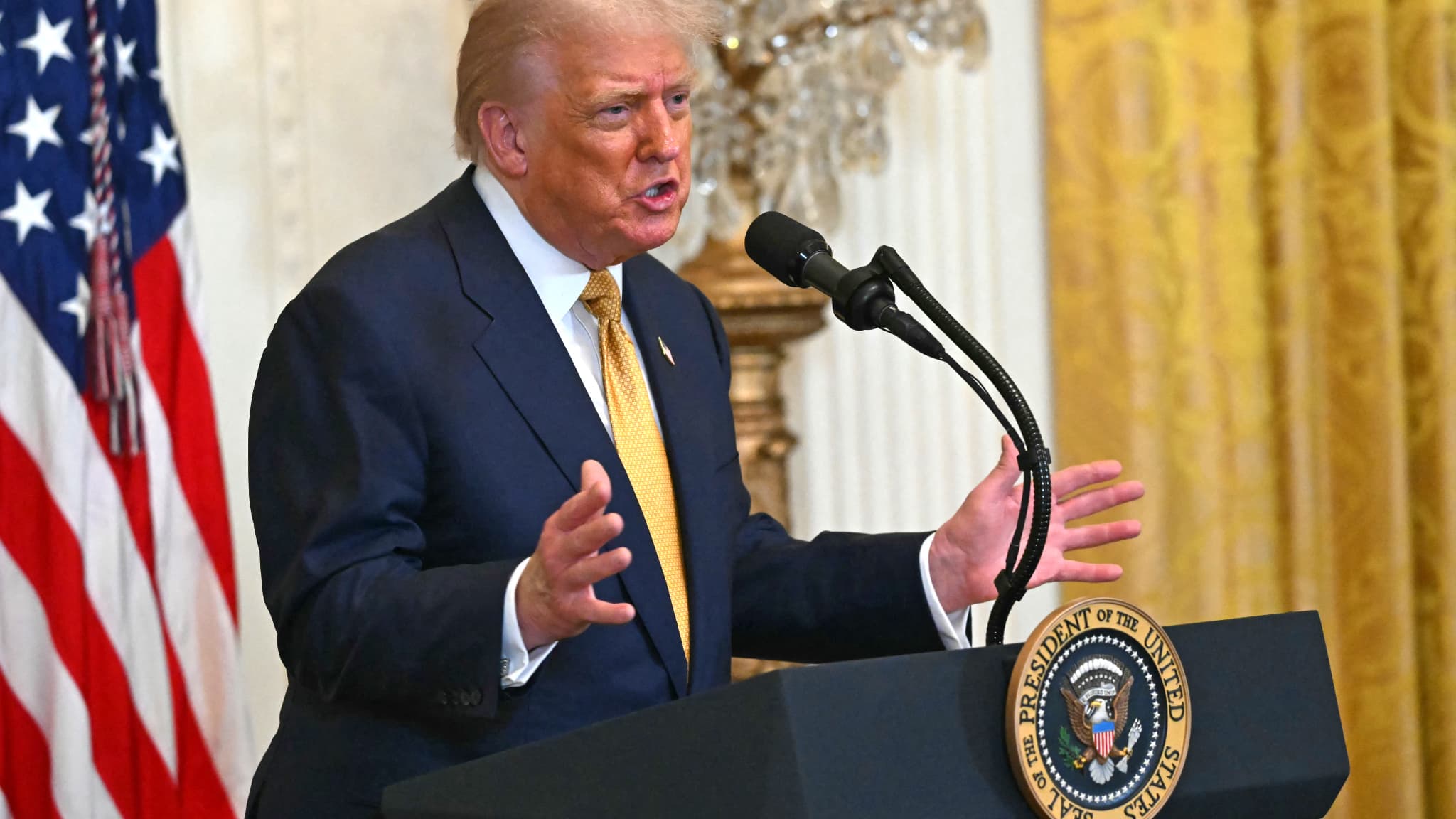
The policy stems from mounting anxiety over capabilities like those found in Anthropic’s Mythos model, which remains withheld due to its potential for exposing critical vulnerabilities in banking and hospital infrastructure. The 30-day window marks a political middle ground, settling between an initial 90-day proposal and industry lobbying to limit review periods to just 14 days.
Behind the scenes, the rollout faced significant internal friction. Silicon Valley venture capitalist David Sacks, who serves as the administration’s AI and crypto czar, reportedly urged the president to abandon the measure, arguing it would stifle innovation and cede ground to China. Sacks publicly claimed that bureaucratic hurdles represent a greater threat to American progress than the risks posed by the software itself, briefly stalling the White House’s plans.
Alongside the review mandate, the administration is establishing an AI cybersecurity clearinghouse. Treasury, the National Security Agency, and CISA will coordinate with private operators to identify and patch software flaws. This shift effectively replaces the Biden-era oversight framework, which relied on sharing safety test results, with a more direct access model. Unlike the European Union’s 2024 AI Act, which imposes binding legal obligations for high-risk systems, the current U.S. approach remains rooted in voluntary participation.


Comments (0)
No comments yet. Be the first!