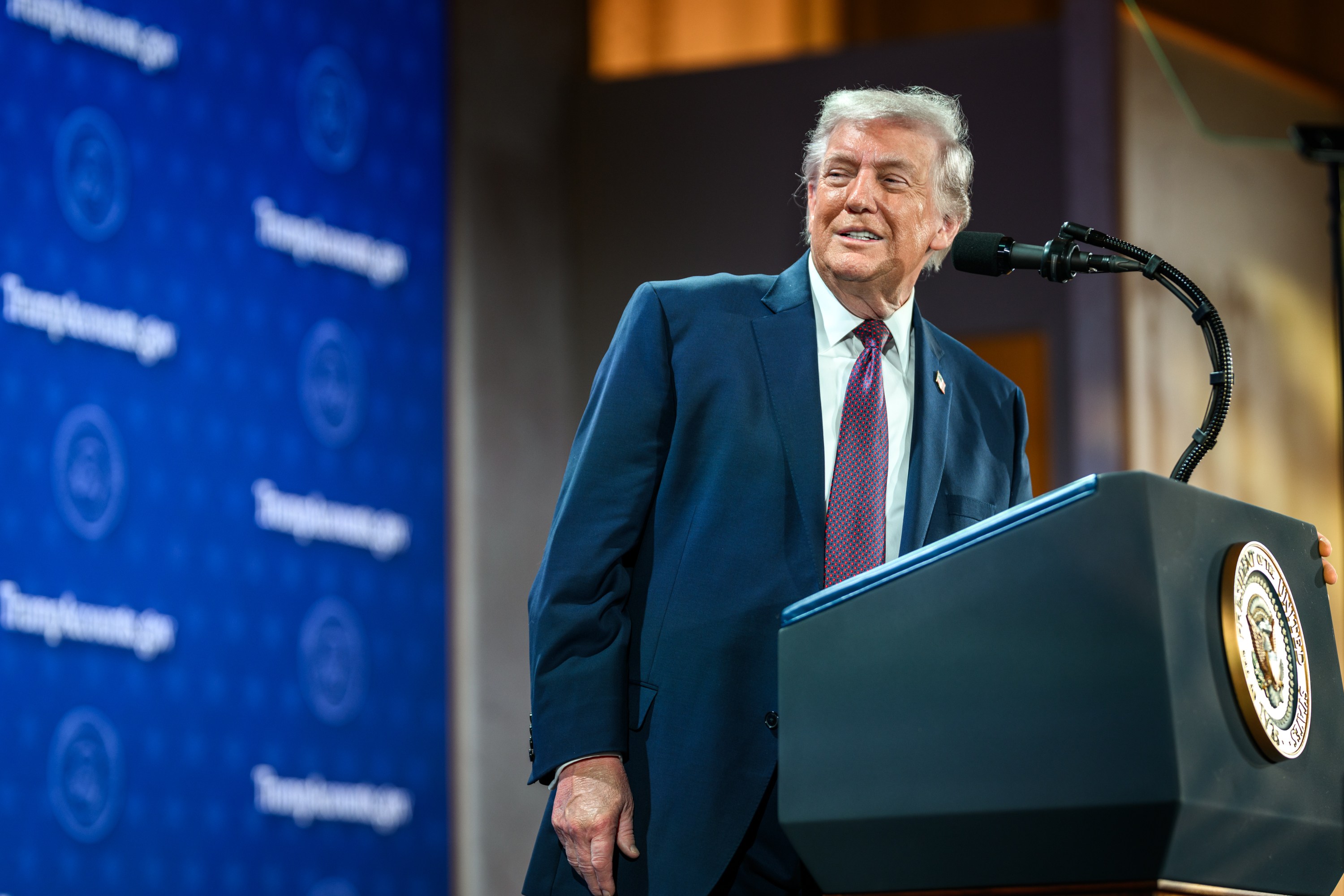
US officials are demanding the European Union release 120 million barrels of diesel over the next six months. Energy Secretary Chris Wright noted that global supply chains remain fragile due to disruptions in Middle Eastern and Chinese exports, heightening the urgency for coordinated action. While Washington views this as a necessary step to stabilize markets, the proposal creates a precarious trade-off: restricting US exports might lower domestic prices but could cripple European industries that rely heavily on imported refined fuels.
The Shift in Transatlantic Energy Ties
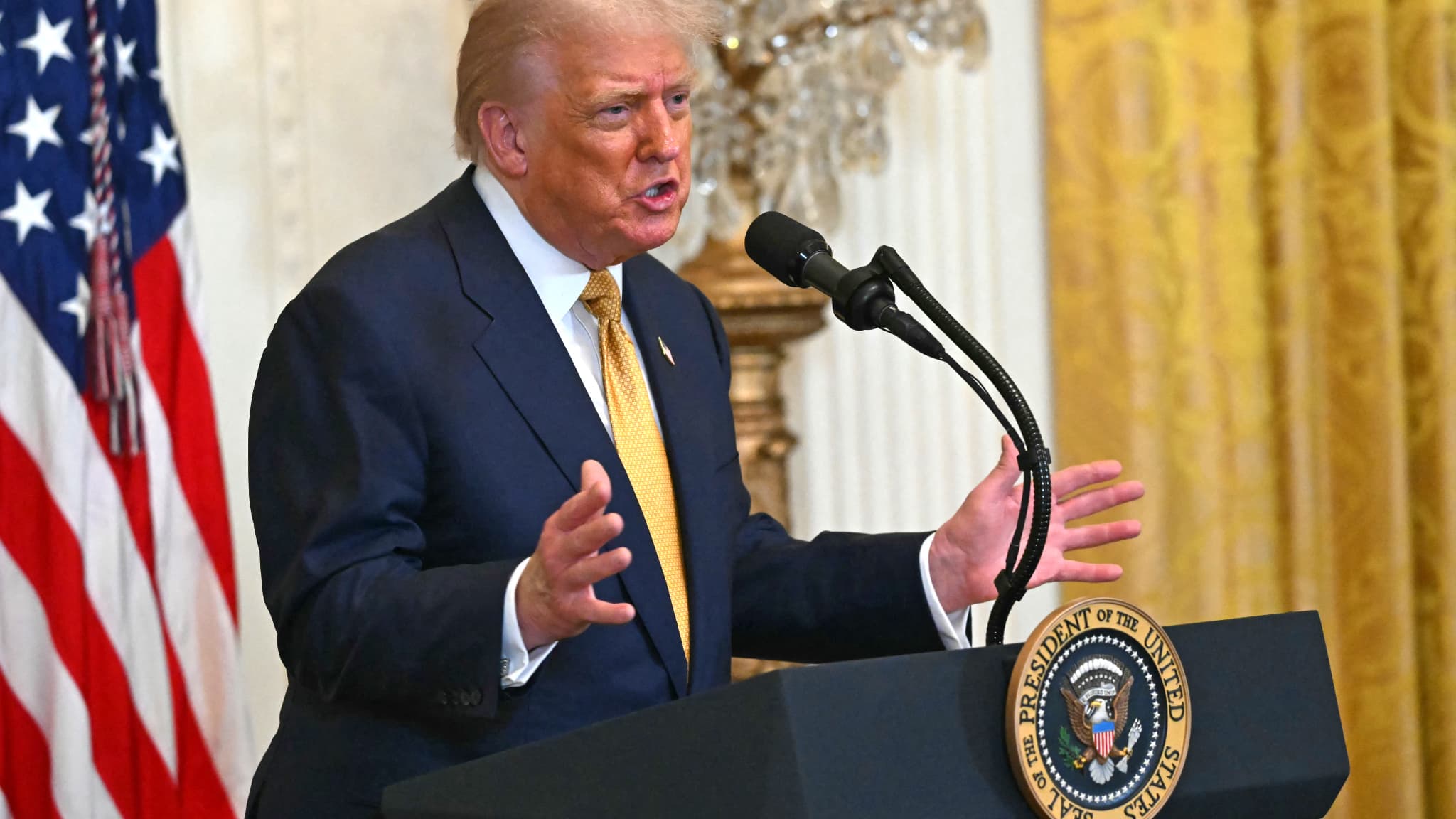
Germany and France have yet to commit to the specific volumes requested by the White House. President Emmanuel Macron is instead pushing for a G7-wide strategy to manage fuel supplies, seeking to avoid a bilateral confrontation. This diplomatic friction underscores the vulnerability of Europe’s energy sector, which has been in a constant state of transition since the pivot away from Russian crude. With diesel serving as the primary fuel for European logistics, agriculture, and heavy industry, the decision to tap into emergency stocks carries significant economic risk. The standoff reflects a deepening divide between Washington’s domestic political imperatives and the energy security needs of its European partners.



Comments (0)
No comments yet. Be the first!