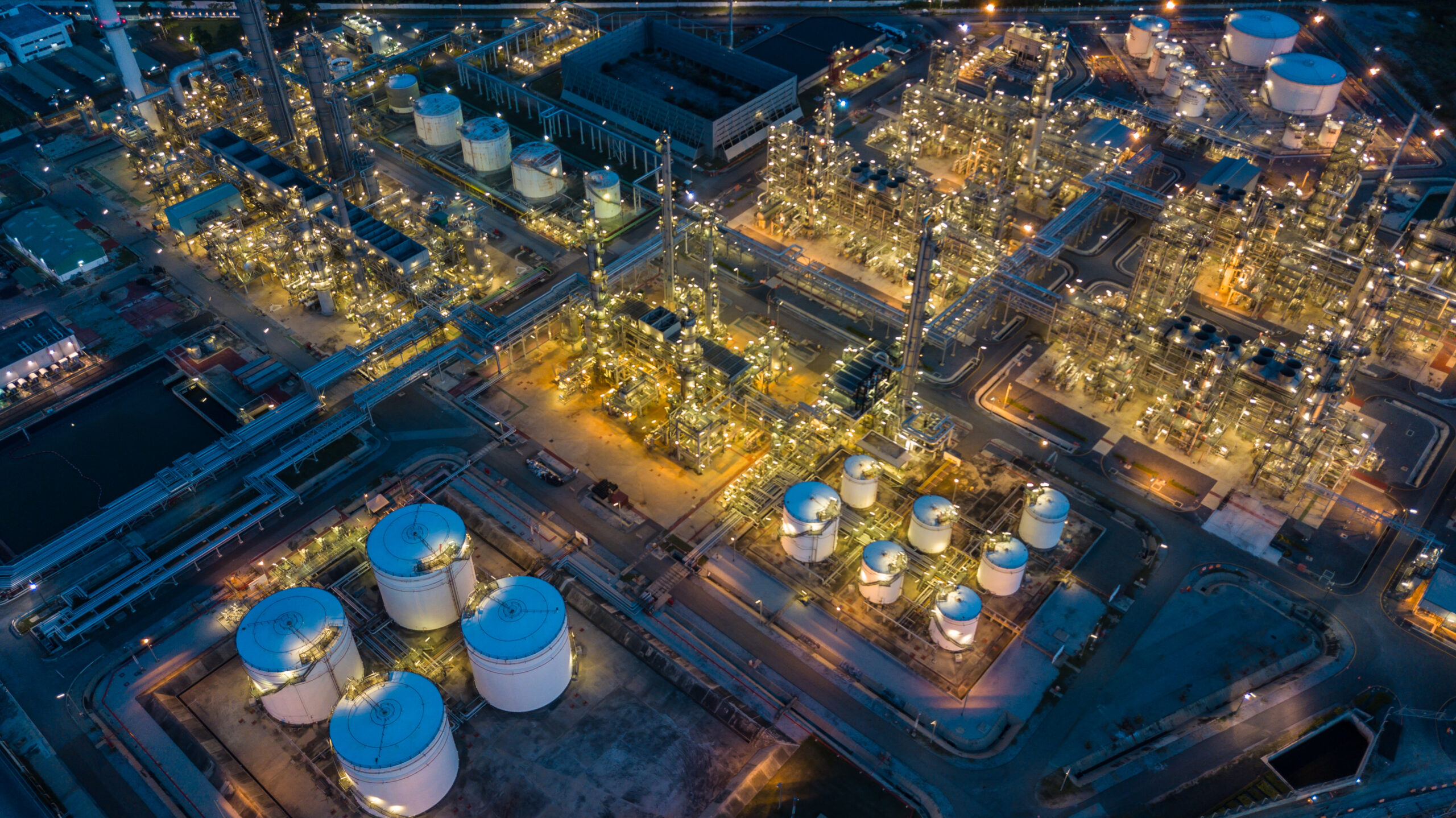
The alarm in Brussels follows reports that the White House may impose limits on diesel shipments to prioritize American consumers ahead of the midterms. While Energy Secretary Chris Wright suggested these restrictions would be voluntary, the potential for disruption is significant: U.S. Gulf Coast diesel now accounts for 32% of all non-EU imports, with some regions in north-west Europe relying on American supply for over half their needs. This dependency was exacerbated by the ban on Russian refined products and supply bottlenecks in the Middle East, leaving Europe with virtually no alternative sources.
Europe is effectively paying twice for the regional fallout of the Iran war. The first cost is economic, with diesel prices hitting record highs of €2.23 per litre. The second is political, as Europe realizes its $750 billion energy pledge to Washington lacks a reciprocal guarantee of supply security. Even without a formal ban, the mere threat of intervention forces traders to bake a 'political risk premium' into every cargo. French President Emmanuel Macron has already signaled urgency, calling for a G7 meeting to discuss emergency stocks and export cooperation. Whether Europe emerges from this winter with stable fuel supplies or faces physical shortages depends less on market forces and more on the political arithmetic of the White House as the November 3rd election approaches.


Comments (0)
No comments yet. Be the first!