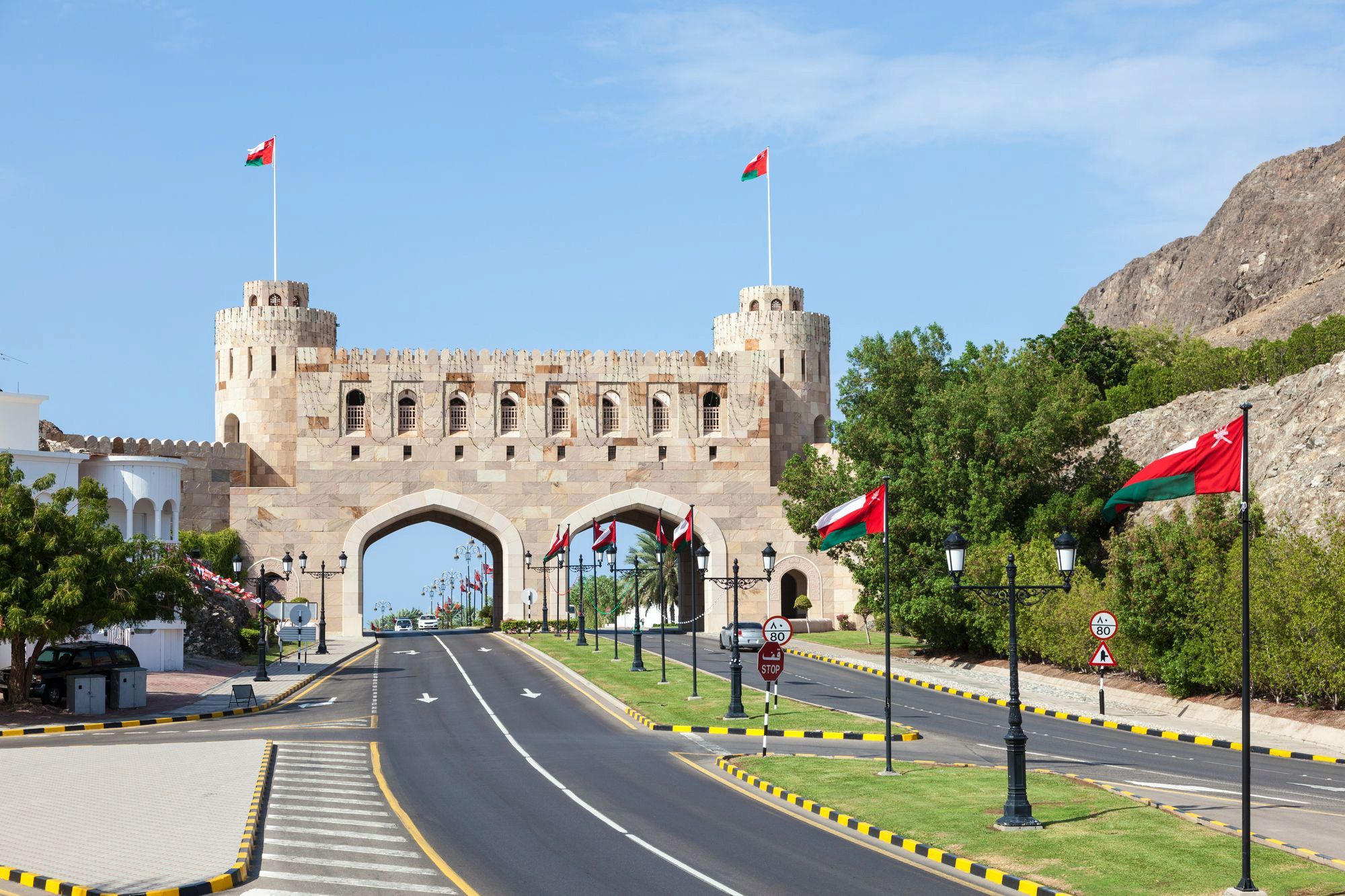
The Muscat Process addresses the full lifecycle of a crisis, from early warning and prevention to long-term stabilization. While major powers often struggle to mediate due to entrenched alliances and strategic baggage, smaller states like Oman possess the unique ability to communicate across divides without the appearance of seeking dominance. This capability creates diplomatic space that larger actors frequently cannot access, allowing for discreet negotiations that prevent minor disputes from spiraling into systemic shocks.
Beyond traditional security, the initiative recognizes that geopolitical friction inevitably triggers an economic crisis cycle. Disruptions to energy markets, supply chains, and investor confidence turn regional tensions into global problems. By maintaining open channels, the process protects essential economic connectivity, transforming shared financial interests into practical incentives for restraint. Ultimately, the success of this model suggests that the international community must pivot away from reactive diplomacy toward a cycle-based approach. Supporting such efforts requires respecting the discretion and consistency that define Oman’s role, proving that smaller nations remain the essential architects of a functioning, non-fragmented international order.

Comments (0)
No comments yet. Be the first!