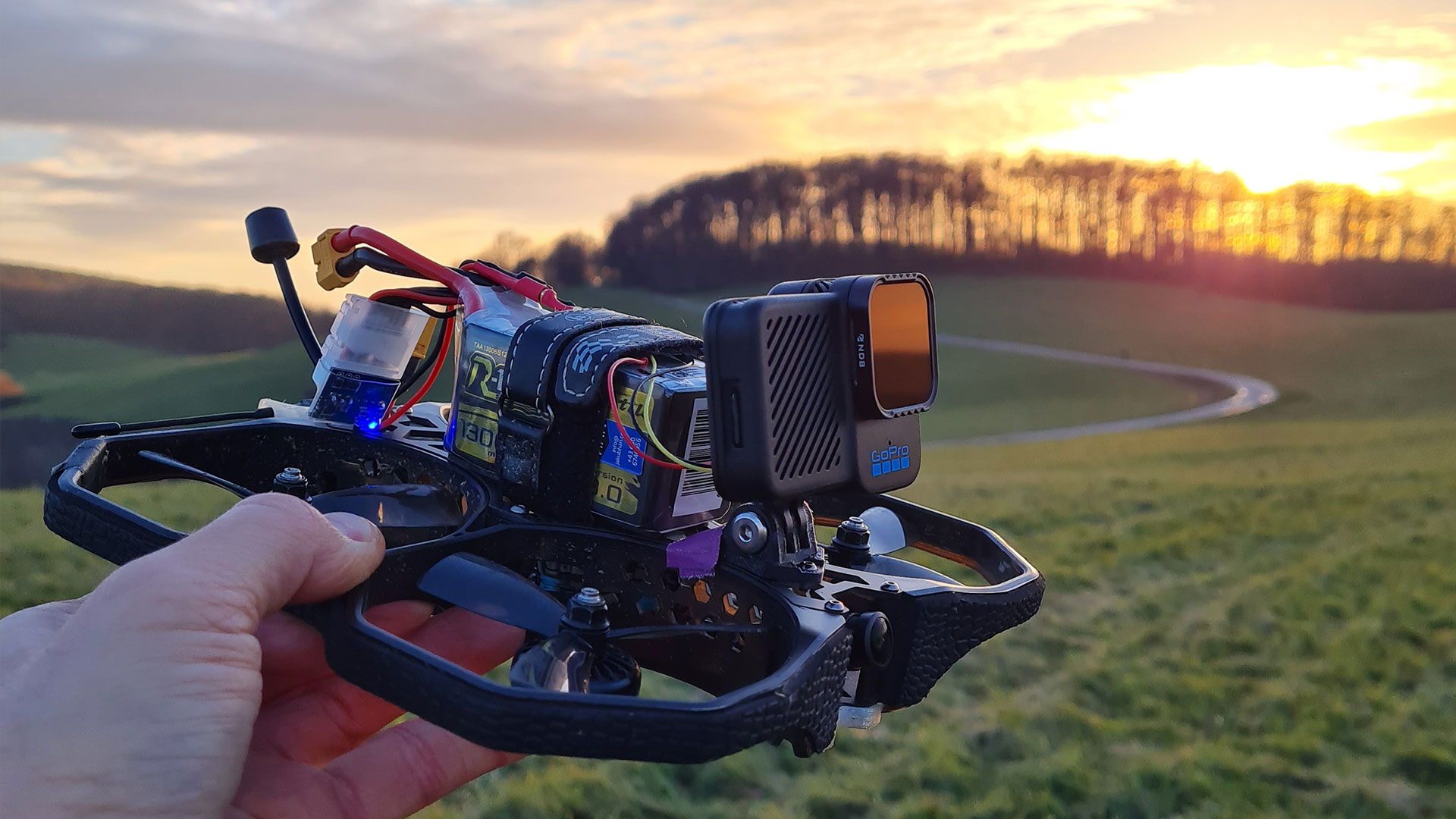
For Kateryna Lahuta, a 41-year-old entrepreneur, the destruction of her seafood business by Russian bombs last month signaled a grim transition. While the city has faced shelling since the 2022 invasion, the current intensity is unprecedented. Small, agile first-person-view drones, originally designed for front-line combat, are now being piloted into the city’s heart, targeting vehicles and commuters. Governor Ivan Fedorov warns that these strikes are a deliberate effort to exert maximum pressure on the civilian population, complemented by frequent salvos of glide bombs that are difficult to intercept.
The atmosphere in southern districts like Kosmos has shifted to one of defensive survival. Roads are being draped in protective netting, and the city transit authority is equipping bus drivers with drone monitors and testing shatterproof glass. Despite twelve city-run vehicles being damaged this year, officials maintain that services will continue. For residents like Ania Syvova, who sends her daughter to an underground kindergarten, this constant threat has become a grim, normalized routine. Similar tactics are unfolding in Kharkiv, where officials report dozens of strikes monthly, as Russia increasingly relies on these low-cost, high-terror weapons to destabilize Ukrainian urban centers far from the front lines.




Comments (0)
No comments yet. Be the first!