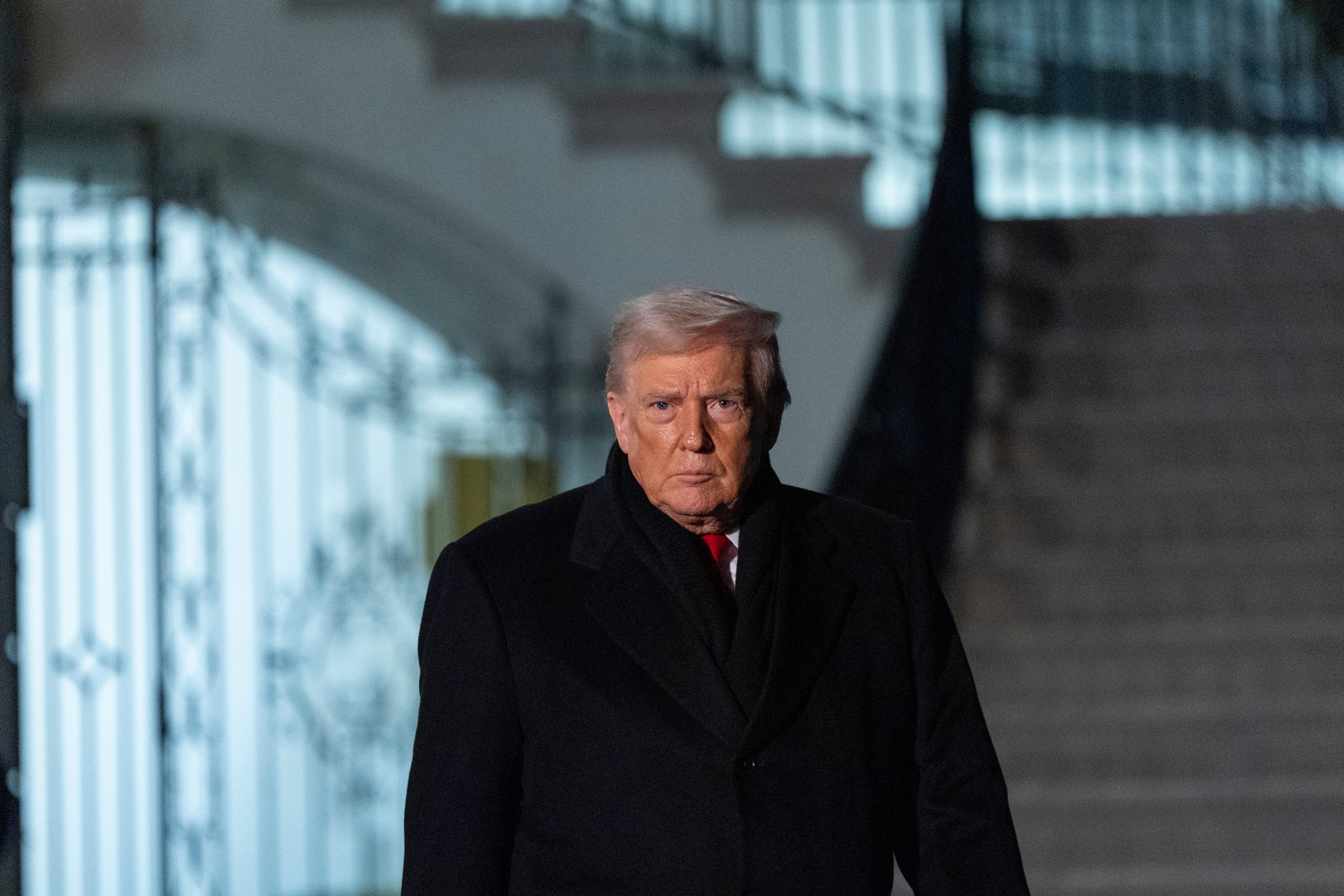
Policy chief Elbridge Colby is steering the review, which seeks to move beyond the reliance on massive, city-leveling nuclear strikes. By integrating smaller, shorter-range weapons into military planning, proponents argue the U.S. can better deter adversaries who might otherwise gamble that a president would avoid an extreme, full-scale nuclear retaliation. A senior defense official emphasized that providing leadership with realistic capabilities is essential to maintaining credible deterrence in modern geopolitical standoffs.
The shift has triggered fierce debate in Washington. Critics warn that normalizing tactical warheads could dangerously lower the nuclear threshold, making atomic weapons appear as practical tools for conventional warfare rather than weapons of last resort. Some congressional aides have dismissed the study as misaligned with broader modernization goals, fearing that a focus on battlefield weapons could ironically weaken the nation's primary strategic deterrent. As the U.S. has not employed a nuclear device in combat since 1945, any deviation from established policy remains a sensitive issue with profound global implications.

Comments (0)
No comments yet. Be the first!