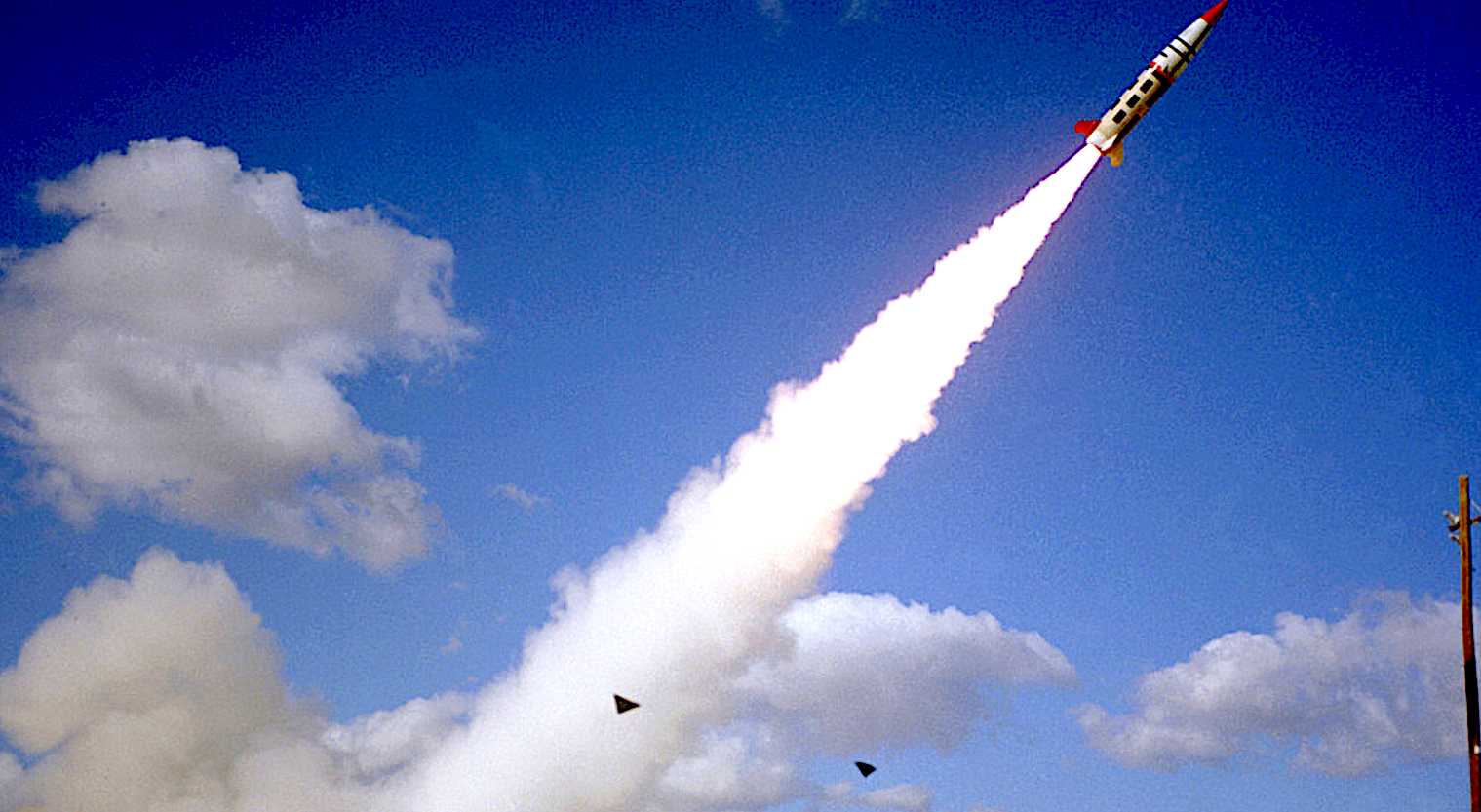
These surface-to-surface weapons, each costing over $1 million, have served as the primary means for the U.S. to conduct strikes from a safe distance. The reliance on these munitions reflects a strategic choice to avoid the risks associated with piloted bombing missions. However, sources familiar with the data indicate that the current inventory is dangerously low, potentially forcing a tactical shift if President Donald Trump chooses to continue large-scale offensive operations in the region.
Defense analysts point to broader vulnerabilities beyond offensive capabilities. Recent reports from the Center for Strategic and International Studies estimate that approximately 65% of the U.S. Patriot interceptor stockpile and at least 38% of THAAD ballistic missile interceptors have been expended since February. Additionally, nearly half of the Navy's Tomahawk cruise missile supply has been utilized. While the White House maintains that the U.S. possesses more than enough munitions and is ramping up production at record levels, military advisers have repeatedly warned that current manufacturing speeds may prove insufficient for a prolonged war. Amid these shortages, the administration faces mounting pressure to address the sustainability of its military posture without clear congressional authorization for the ongoing campaign.




Comments (0)
No comments yet. Be the first!