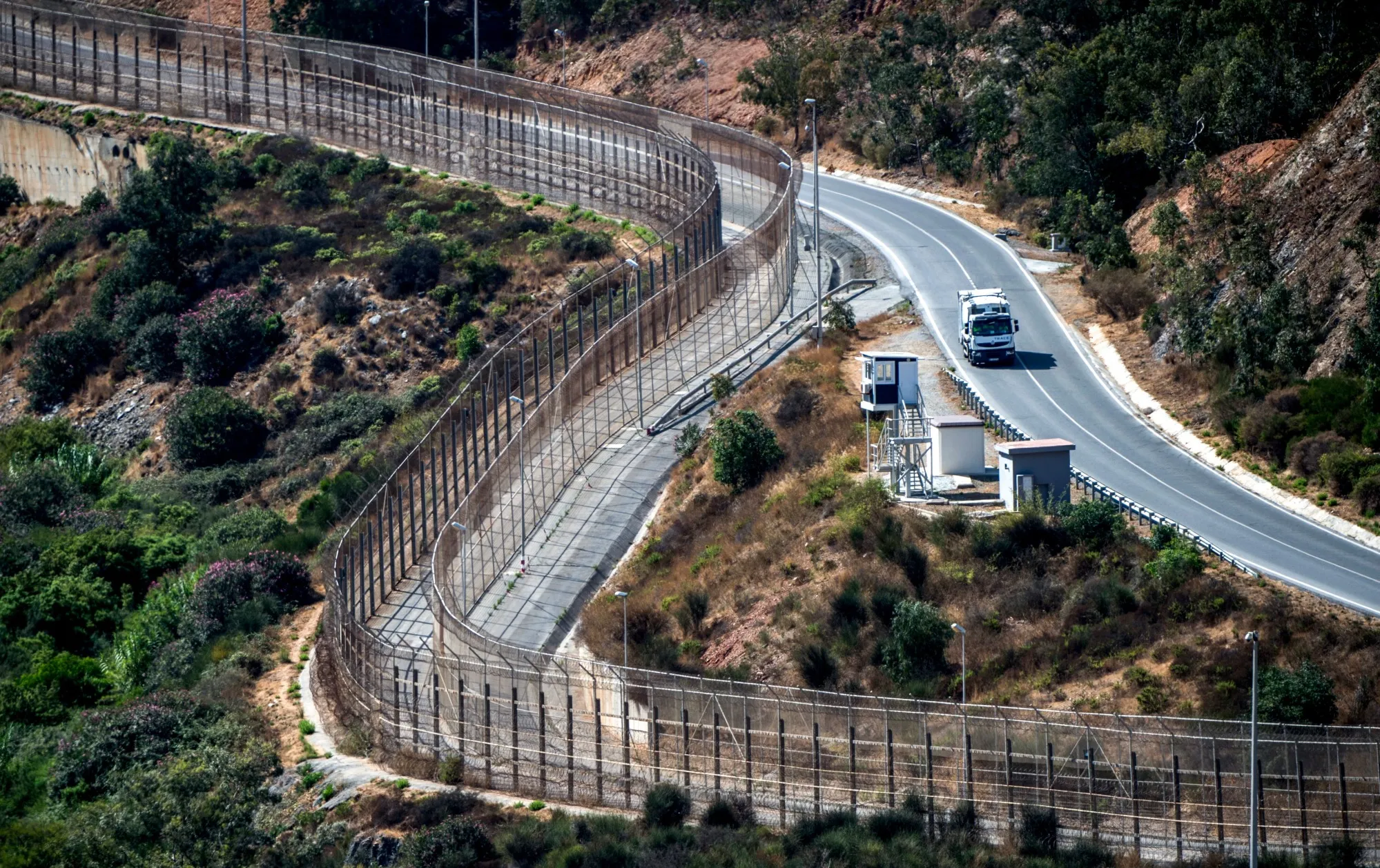
The influx of roughly 72,000 individuals last week exposed deep fissures in the bloc’s external border management. European Commissioner Magnus Brunner attributed the chaos to sophisticated smuggling operations and social media disinformation, though he sidestepped questions regarding Morocco's potential role in the breach. While Rabat blamed misinformation for the surge, analysts recall the 2021 crisis, when border controls were seemingly relaxed as a retaliatory measure against Madrid. This dynamic fuels ongoing concerns that the EU’s reliance on North African partners leaves the bloc susceptible to external political pressure.
Member states are now divided on how to fortify their frontiers. Italy has temporarily suspended Schengen travel arrangements with Spain, while Denmark and Greece are pushing for more radical shifts in policy. Italian Interior Minister Matteo Piantedosi is advocating for offshore asylum processing hubs, and Greek Prime Minister Kyriakos Mitsotakis has proposed the temporary suspension of asylum registrations during mass arrivals. As ministers negotiate a new strategic partnership with Morocco, the underlying reality remains grim: thousands of migrants continue to risk their lives, often finding neither shelter nor safety after crossing the border barriers, only to be forced back into the uncertainty they sought to escape.

Comments (0)
No comments yet. Be the first!