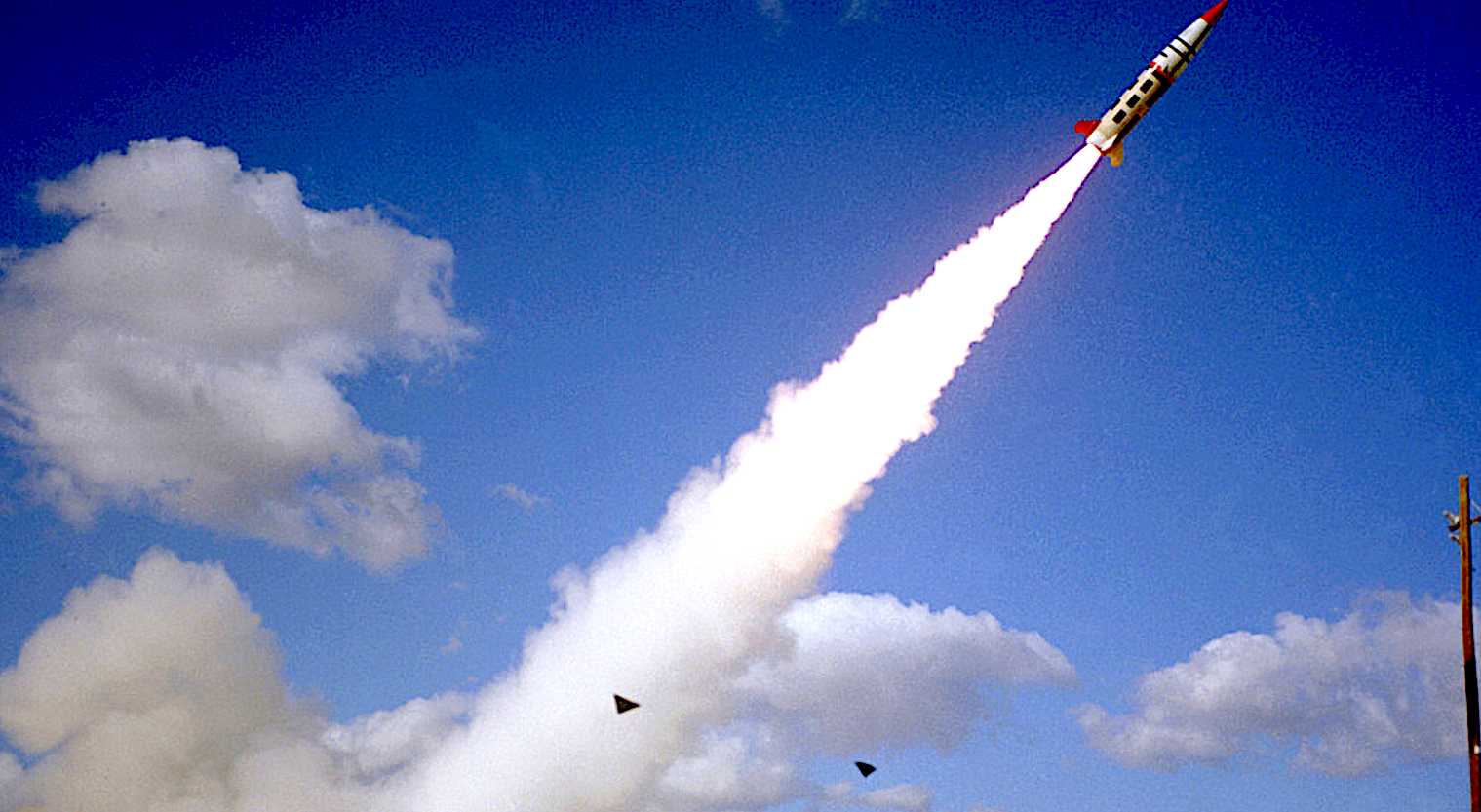
These munitions, costing over $1 million each, serve as a critical pillar of U.S. strike capability by allowing forces to hit targets from significant distances. The depletion of these assets creates a strategic dilemma: President Donald Trump may soon be forced to rely on piloted bombing missions, which carry higher risks for aircrews, if he chooses to maintain large-scale operations against Iranian targets. While Central Command has managed to replenish some hardware by pulling from global stockpiles, internal government debates suggest that current consumption rates are approaching levels that could degrade the military's ability to respond to potential crises involving other adversaries like China or Russia.
Defense industry production is currently at record levels, yet analysts remain skeptical that manufacturing can keep pace with the demands of a prolonged conflict. Beyond offensive missiles, defensive systems are also under extreme pressure. Recent data indicates that approximately 65% of Patriot interceptors have been expended since February, while inventories of THAAD ballistic missile interceptors have dropped by at least 38%. Additionally, nearly half of the global supply of Tomahawk cruise missiles has been utilized. Despite these figures, the White House maintains that the U.S. arsenal remains the most powerful in the world, asserting that domestic defense contractors are successfully expanding capacity to meet the nation's requirements.




Comments (0)
No comments yet. Be the first!