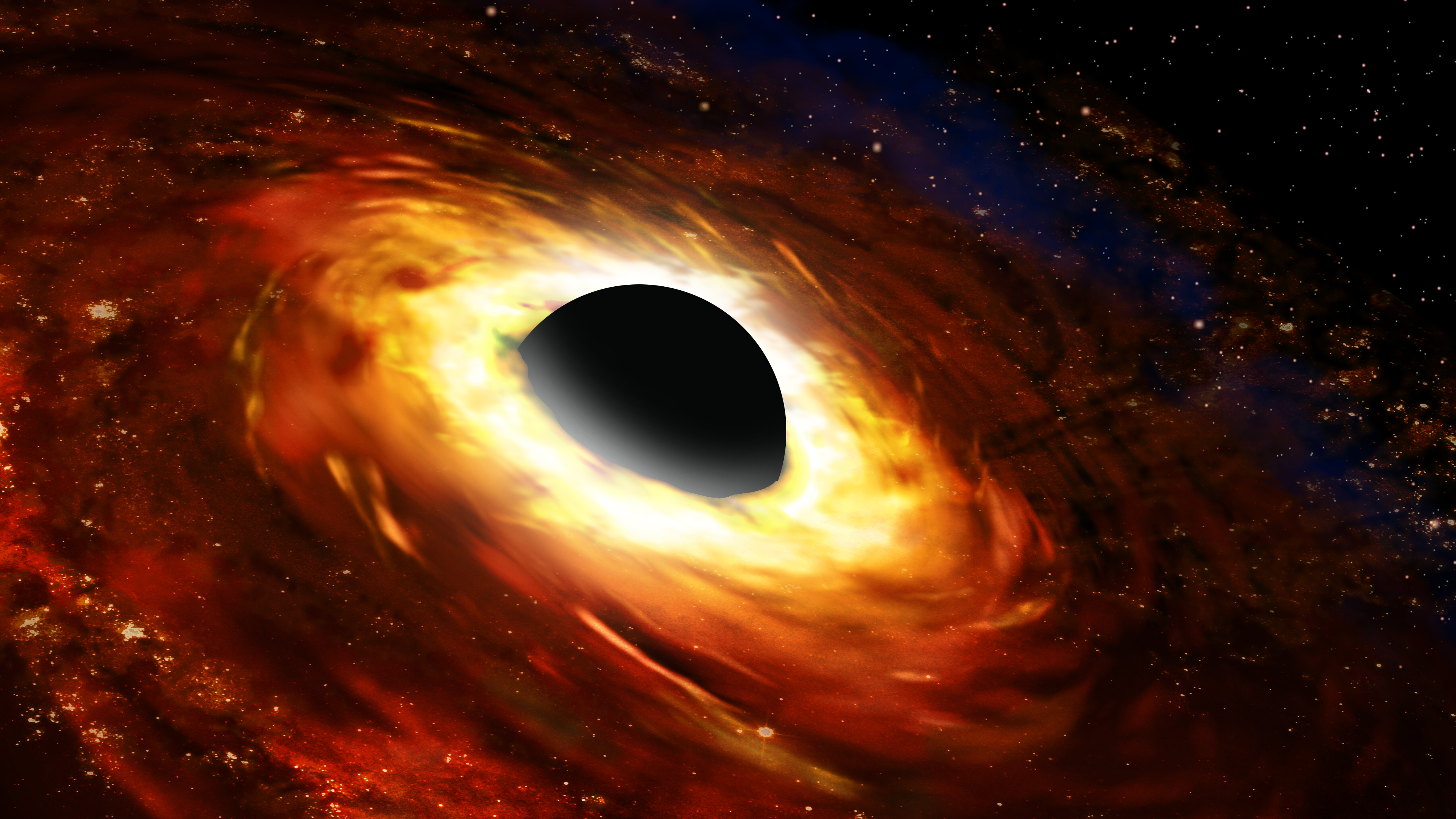
Astronomers monitoring the system, located 8,800 light-years away, utilized the Very Large Telescope to track a feeding event that erupted in 2023. Rather than a simple one-way consumption, the black hole processes matter through an accretion disk, launching high-speed jets and dense winds that carry away a significant portion of the companion star’s mass. Team leader Noel Castro Segura of the University of Warwick noted that these findings challenge the assumption that black holes swallow everything they capture.
The research, published in the Monthly Notices of the Royal Astronomical Society, highlights that these outflows persist even after the initial feeding frenzy subsides. Doctoral researcher Kyle Solomons pointed out that while scientific attention typically centers on the dramatic start of an outburst, the final, lingering stages are equally intense. By shedding so much material, these binary systems may evolve in ways that deviate from existing models, suggesting that black holes influence their galactic environments through both gravitational pull and the forceful redistribution of matter.




Comments (0)
No comments yet. Be the first!