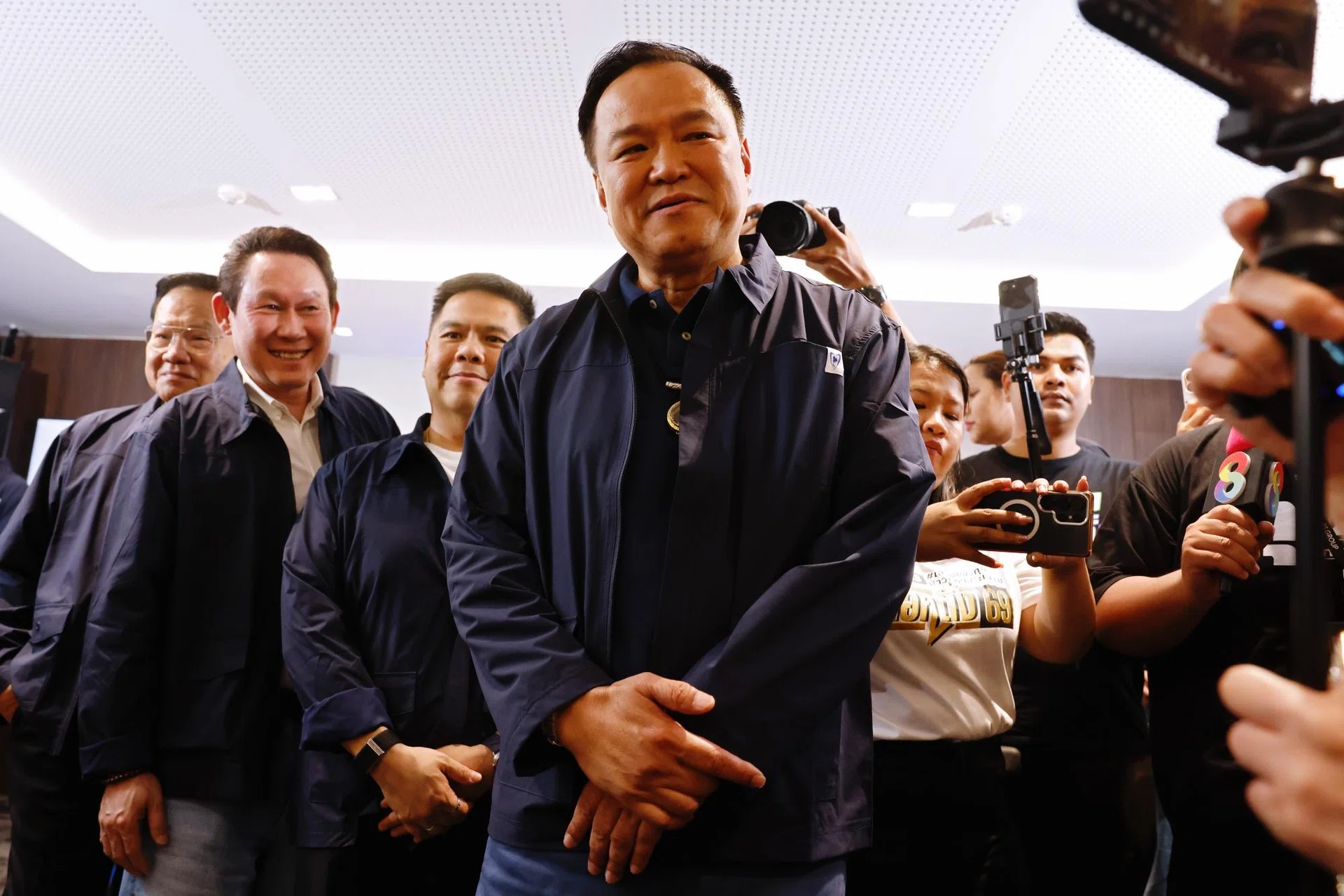
The proposed strategy aims to move beyond the current diplomatic stalemate that has gripped Southeast Asia since the military coup in Myanmar. By framing the approach as calibrated, the Thai government suggests a cautious, phased return to active dialogue rather than a broad normalization of relations with the military administration. This maneuver places Thailand at the center of efforts to navigate the regional bloc's fractured consensus on handling the ongoing civil unrest within its member state.
Min Aung Hlaing, who recently transitioned into the role of president, remains a polarizing figure among international observers and ASEAN partners. The upcoming summit in Jakarta serves as a critical test for whether Thailand can leverage its proximity to influence the junta's trajectory. Whether this push for engagement yields tangible concessions on democratic reforms or merely provides political legitimacy to the military leadership remains the central question for regional stakeholders.
Comments (0)
No comments yet. Be the first!