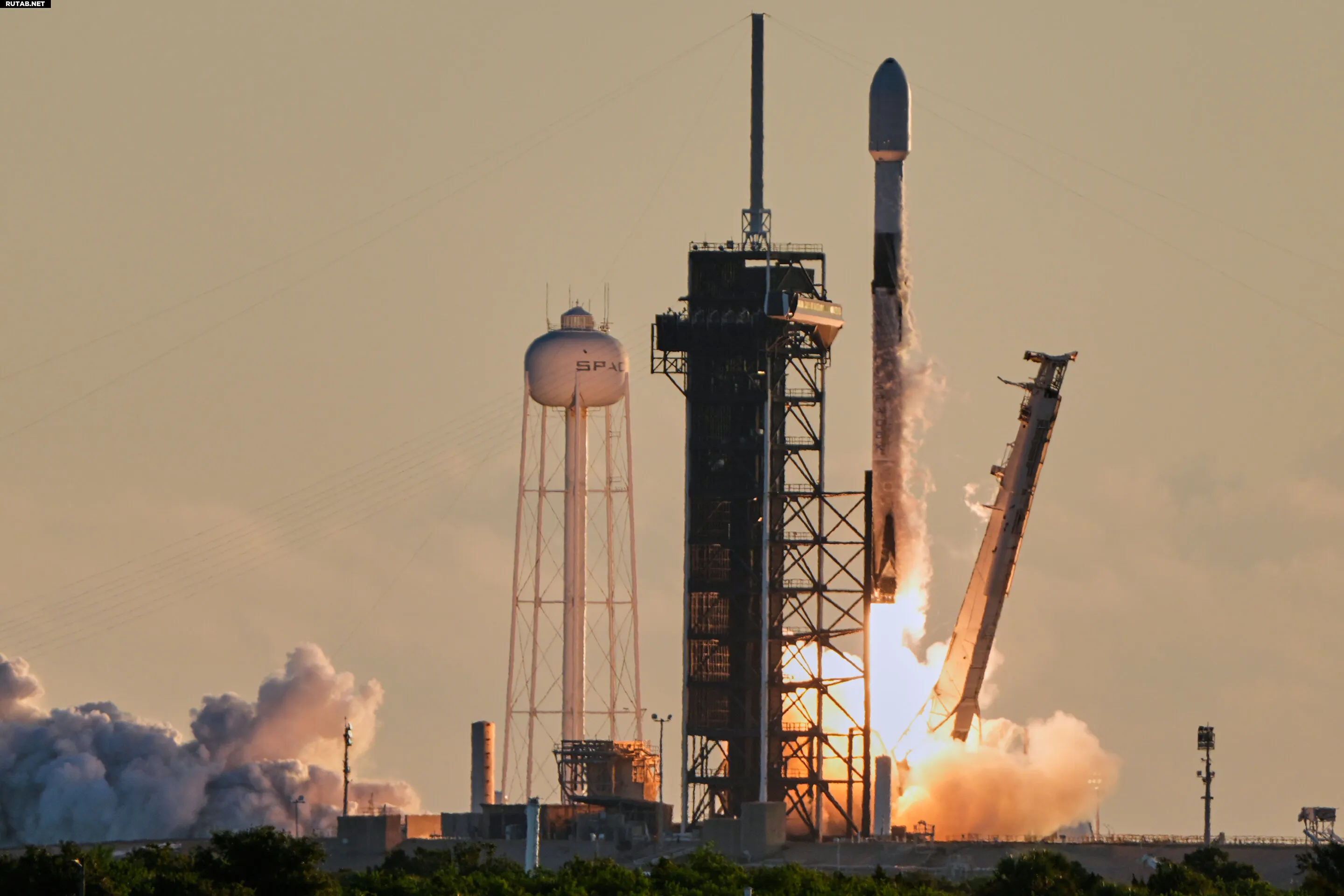
Launched in January 2025 to deliver lunar landers, the rocket section spent over a year drifting in a chaotic orbit before the Moon’s gravity pulled it toward the surface. While the impact will create a crater roughly 27 meters wide and 5 meters deep, researchers emphasize there is no threat to Earth or planned lunar missions. Because the Moon lacks an atmosphere, the kinetic energy will disperse locally without weather-related disturbances.
William Jo, a researcher at the University of Texas at Austin, noted that the resulting ejecta plume could reach altitudes of up to 100 kilometers. Simulations suggest the flash may be observable by ground and space-based telescopes, though it will likely be too faint for the naked eye. Benjamin Fernando of the Los Alamos National Laboratory confirmed that NASA’s Lunar Reconnaissance Orbiter will document the site, providing essential data to calibrate future impact models.
Beyond the scientific utility, the crash underscores a growing concern regarding orbital debris. As lunar activity accelerates, experts argue that space agencies must prioritize rigorous tracking and disposal protocols to prevent deep space from becoming cluttered with hazardous hardware.




Comments (0)
No comments yet. Be the first!