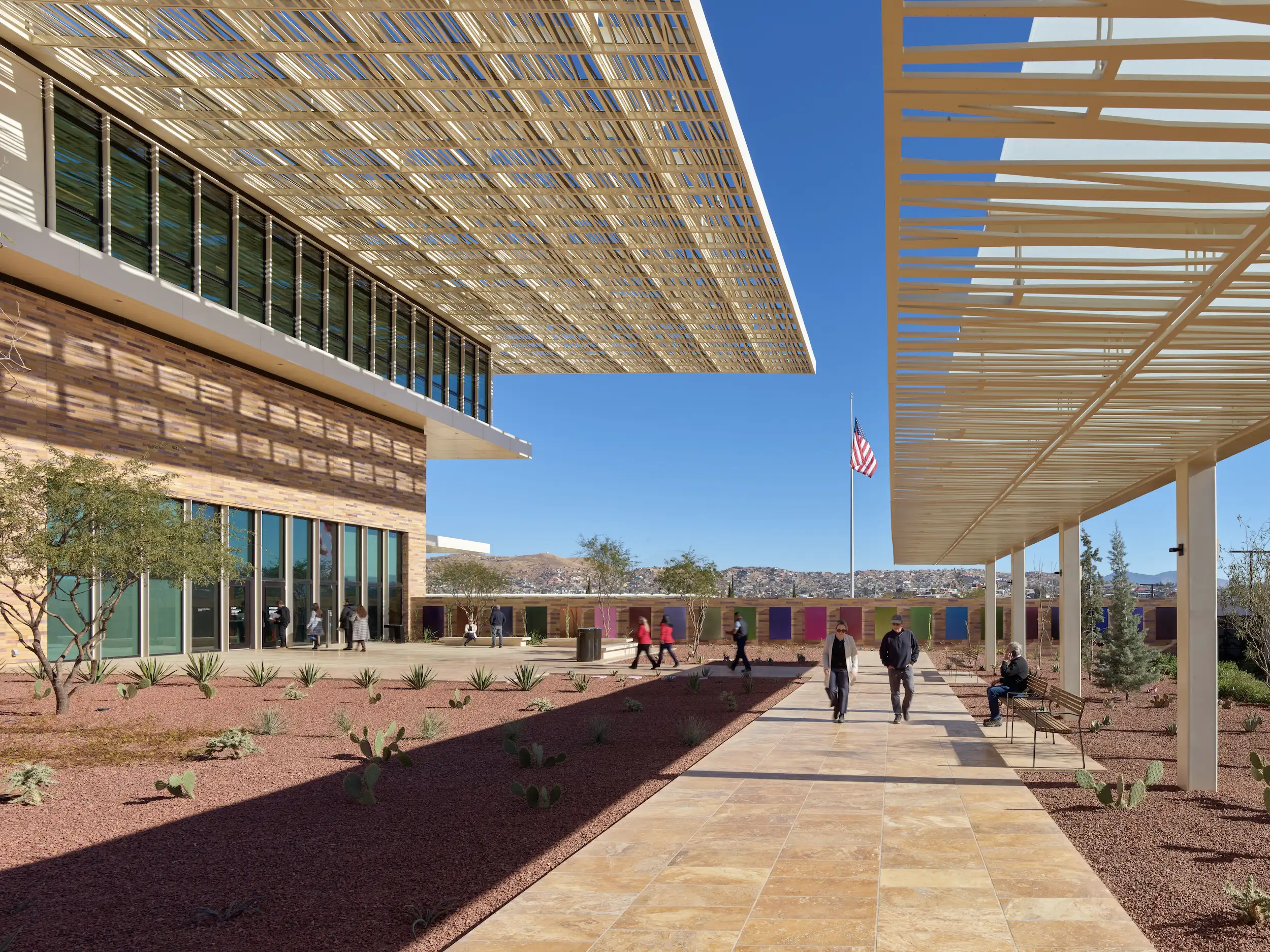
The planned closures target consulates in Nagoya, Medan, and Winnipeg, alongside an embassy branch office in Douala and the embassy in St. George’s. Unlike previous downsizing efforts linked to specific geopolitical crises, these cuts appear driven by internal mandates to improve fiscal efficiency. While the State Department declined to confirm specific details, officials emphasized a commitment to maintaining an effective global footprint while adhering to congressional review protocols.
Critics, including various national security experts and Democratic lawmakers, warn that such reductions jeopardize American influence abroad. They argue that diminishing the diplomatic network, particularly when paired with cuts to the U.S. Agency for International Development, invites adversaries like China and Russia to occupy the resulting power vacuums. While the U.S. government previously expanded its presence in the Pacific to counter Chinese influence under the Biden administration, current efforts are centered on austerity. In several of the affected regions, including Nagoya, Medan, and St. George’s, China maintains an active diplomatic presence, heightening concerns over the strategic impact of the U.S. withdrawal.


Comments (0)
No comments yet. Be the first!