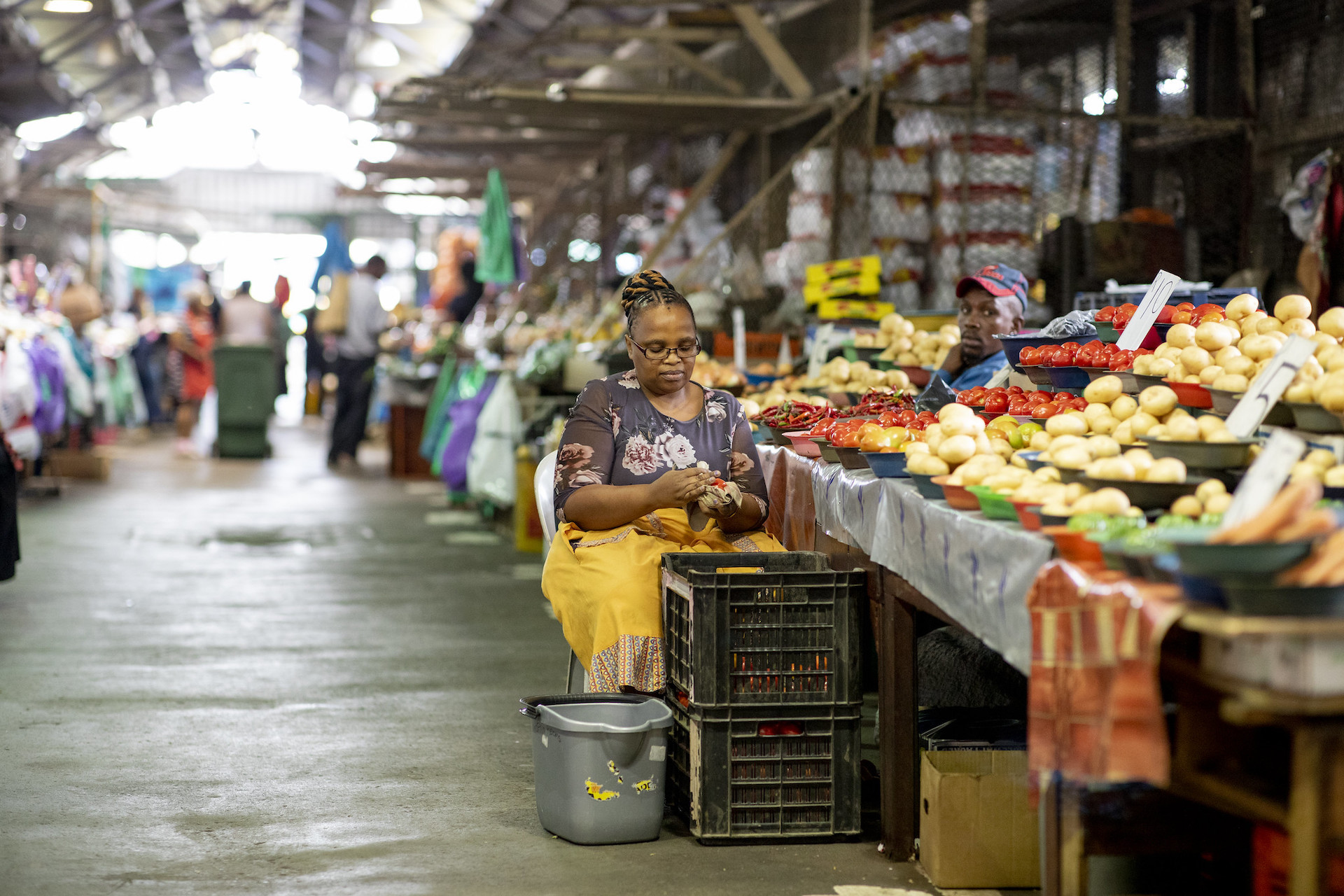
The reliance on traditional labor models—which categorize participants strictly as employees or employers—fails to reflect the reality of African markets. In many cases, individuals function as workers, operators, and small-business owners simultaneously, rendering them invisible to standard consultation systems. Research across five nations, including Kenya and South Africa, confirms that existing forums for trade dialogue rarely reach those outside formal contractual boundaries.
Agriculture and cross-border trade highlight the scale of this exclusion. For instance, 98 percent of agricultural workers in Africa are informally employed, often occupying the lowest tiers of supply chains. Despite their essential role in regional commerce, they lack the leverage to influence the regulations that dictate their livelihoods. Similarly, women who dominate informal cross-border trade face consistent hurdles with finance and security, yet they remain isolated from the policy-making processes meant to govern these corridors.
Bridging this divide may not require new institutions but rather the integration of existing ones. In Ghana, the National Cocoa Farmers Association successfully leverages its affiliation with the Ghana Federation of Labour to influence farm-gate pricing. By connecting cooperatives to established social-dialogue structures, policymakers can ensure that trade agreements, such as the African Continental Free Trade Area (AfCFTA), reflect actual labor-market conditions. Meaningful representation, however, requires that these groups gain access to decision-making early in the process, rather than being invited only after the policy direction is already set.



Comments (0)
No comments yet. Be the first!