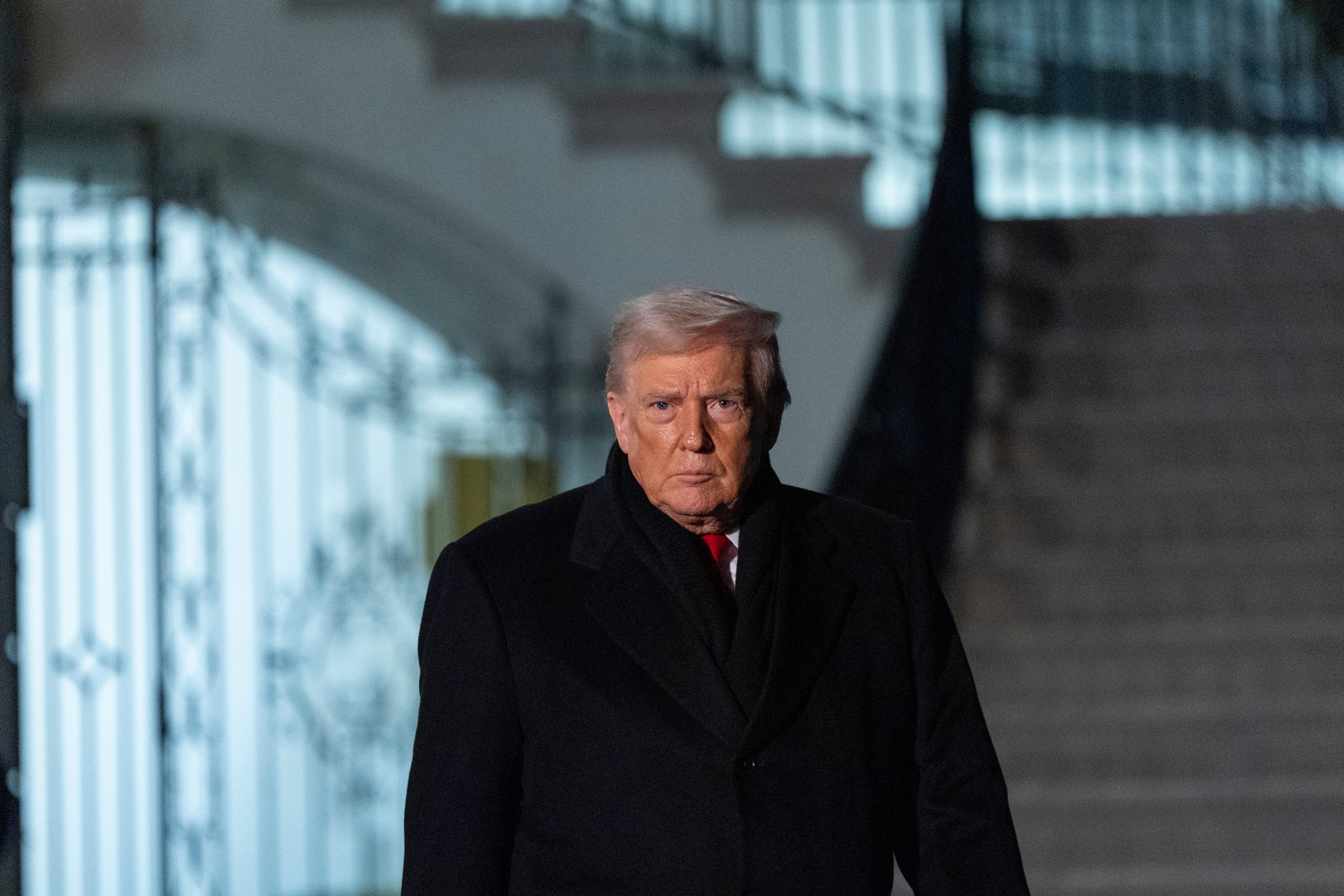
Trump described the ongoing communications as a response to requests from regional powers including Saudi Arabia, the UAE, and Qatar. Speaking from the Oval Office, the president framed the situation as a last chance for the clerical leadership to secure an agreement. Yet, Iranian Foreign Ministry spokesman Esmail Baghaei stated that no meetings are scheduled and all key negotiators remain within the country, save for Foreign Minister Abbas Araqchi, who is on a religious pilgrimage in Iraq.
This diplomatic dissonance mirrors a recurring cycle during the conflict where Trump threatens military force only to pivot toward claims of back-channel diplomacy. While the White House insists on its objective to dismantle Iran’s nuclear program and curb regional influence, Tehran has maintained a firm refusal to engage since the collapse of a June memorandum. Analysts suggest Iran is banking on its ability to leverage control over the Strait of Hormuz to raise the economic cost of the confrontation for Washington and its allies. As the standoff persists, the U.S. has struggled to secure the vital waterway, a failure that continues to influence global energy markets and domestic fuel prices in America.



Comments (0)
No comments yet. Be the first!