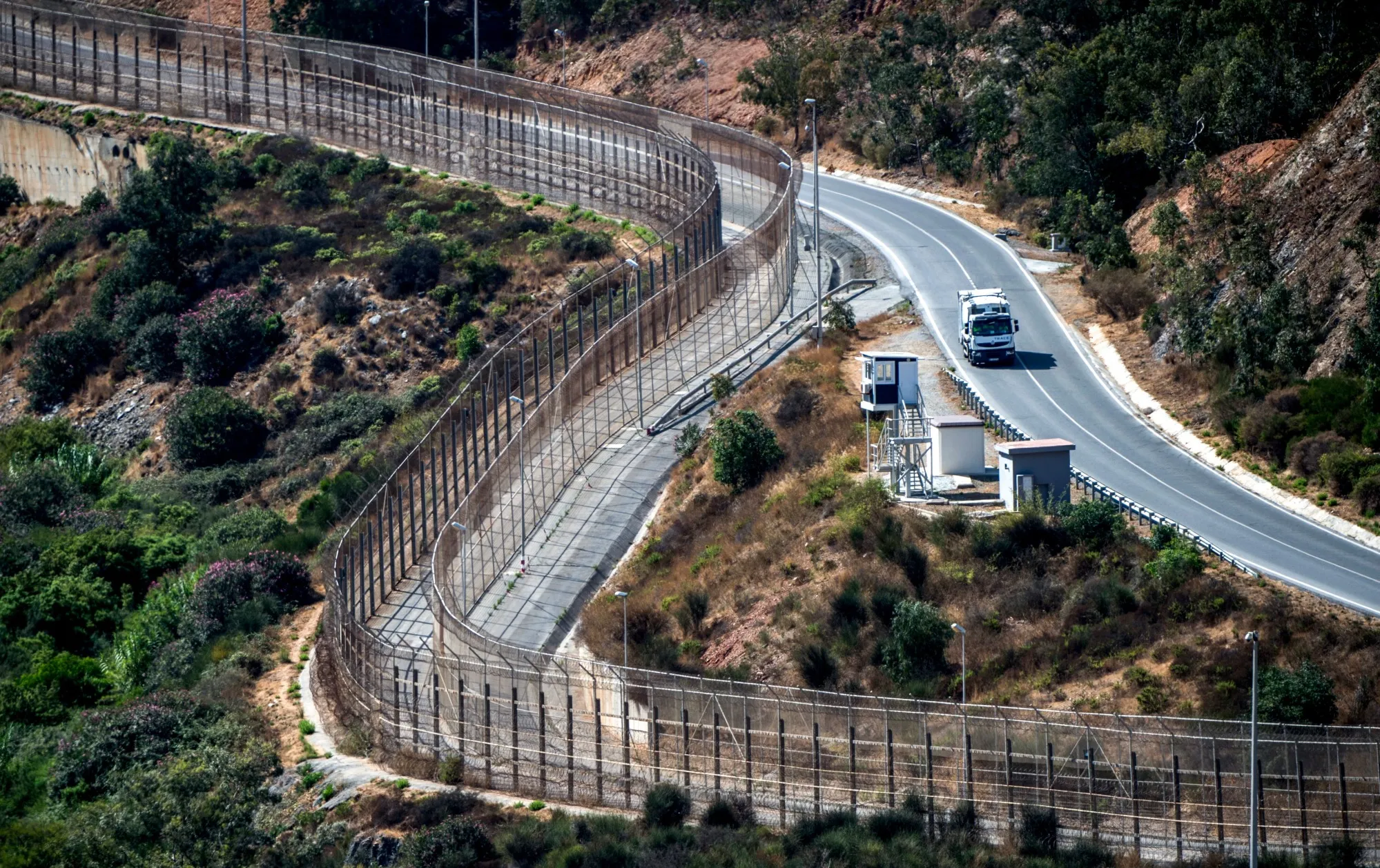
The situation remains precarious for the 3,000 to 5,000 migrants currently lingering in the territory. On El Trampolin beach, scores of individuals from sub-Saharan Africa huddle under towels as police and army patrols monitor the perimeter. City leader Juan Jesus Vivas described the conditions as unsustainable, noting that the local infrastructure is unable to manage the influx. Among those still present are 862 minors, who occupy a complex legal position due to special protections that prevent their immediate deportation.
Diplomatic relations between Madrid and Rabat have soured significantly in the aftermath. Although the Moroccan government attributed the surge to social media misinformation and human trafficking networks, Vivas publicly questioned Morocco’s reliability, suggesting the border collapse was either permitted or orchestrated by the neighboring state. Spanish intelligence reports cited by local media indicate that while the crossing may not have been formally planned, Moroccan border controls were systematically relaxed during a national holiday, allowing the crowds to surge toward the Tarajal crossing.
Inside Spain, the crisis has exposed internal friction regarding intelligence failures. Questions persist over why the CNI intelligence agency reportedly failed to warn the Interior Ministry of the impending surge, leading to a public dispute between the ministries of Defense and Interior. As the European Union prepares for an emergency meeting of interior ministers, the Spanish government is demanding more robust support from its European partners, signaling that the fallout from this border breach will likely reshape migration policy debates across the bloc for months to come.




Comments (0)
No comments yet. Be the first!