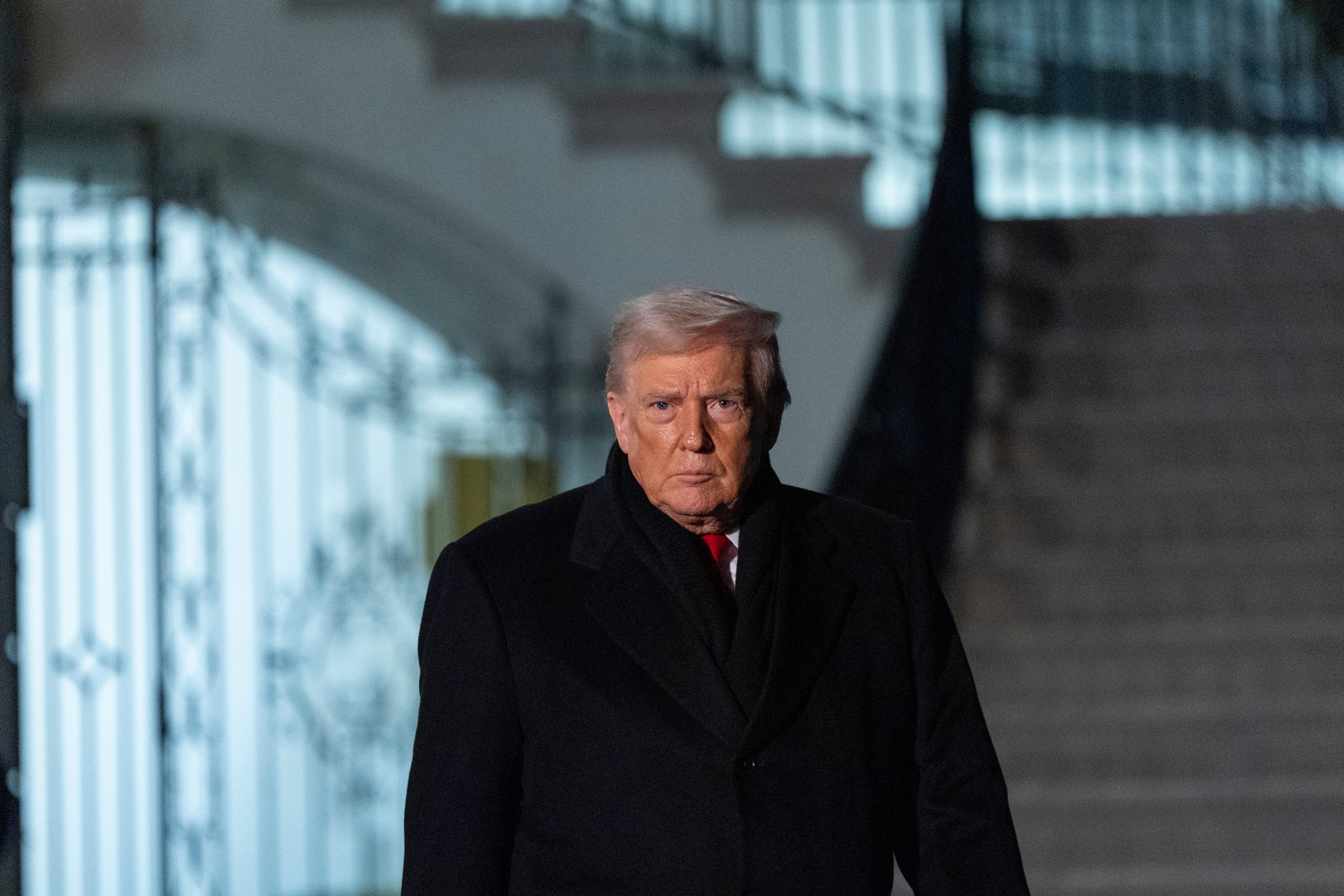
Rather than focusing on party-wide victories, Trump is positioning himself to dictate the 2028 presidential trajectory. His circle notes that he has no intention of grooming a successor, preferring instead to leverage his influence to keep potential contenders, such as JD Vance and Marco Rubio, firmly within his orbit. By maintaining control over the base and fundraising channels, Trump intends to remain the ultimate arbiter of Republican endorsements and political messaging.
A Republican-controlled Senate would likely accelerate this consolidation. Loyalists like Mike Lee, Ron Johnson, and Rick Scott are poised to occupy key committee chairs, effectively purging remaining critics from the chamber. Meanwhile, Trump continues to operate as a de facto party leader, actively replacing dissenting voices with hand-picked candidates. This dynamic creates a high-stakes environment where any potential challenger must navigate the impossible tension of seeking his endorsement while attempting to establish their own independent profile.
The most volatile friction point lies in congressional oversight. As Trump enters his final two years in office, his administration is bracing for potential constitutional clashes. Should he instruct his inner circle to ignore subpoenas or legislative demands for information, he effectively challenges the core investigative powers of Congress. Whether or not his party holds the gavel, Trump appears prepared to use his remaining time in office to test the limits of presidential authority and ensure that his influence over the GOP remains absolute until the very end.



Comments (0)
No comments yet. Be the first!