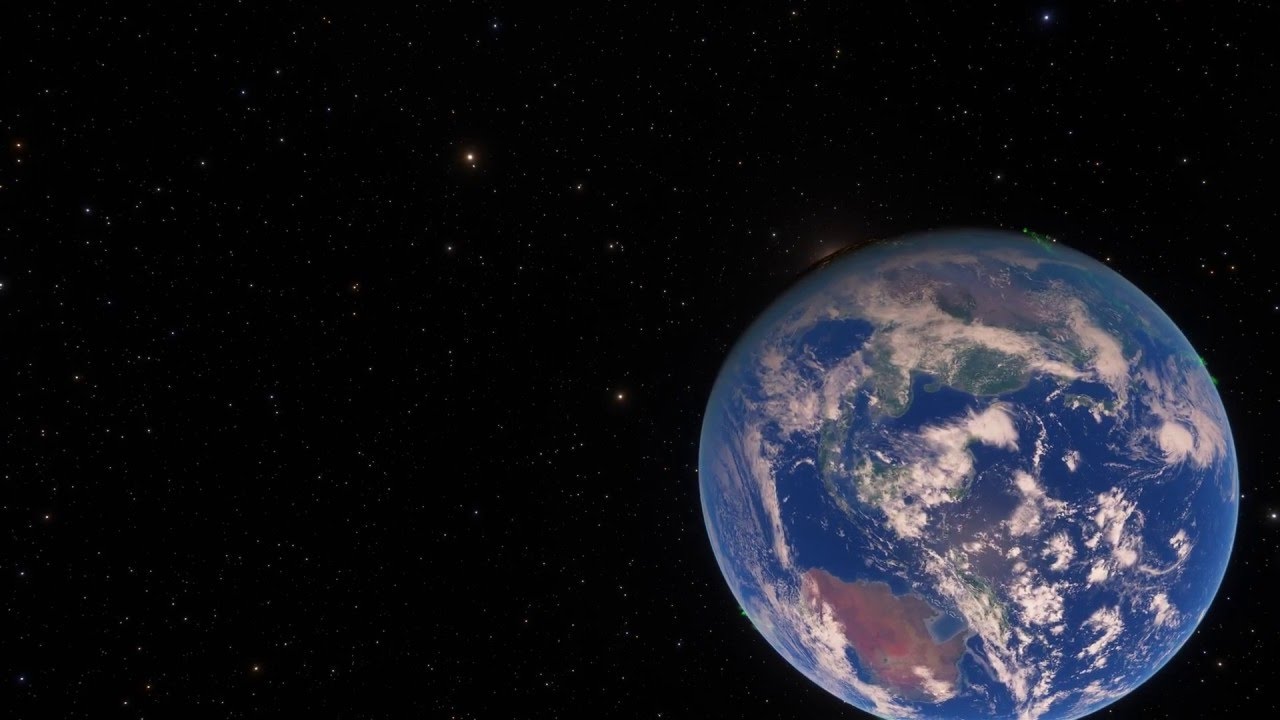
Published in the journal Science, the findings suggest the planet is primarily composed of rock, likely featuring an iron core and a silicate mantle. Lead author Collin Cherubim identified the atmosphere by modeling the loss of hydrogen-rich gases, which often occurs as rocky worlds evolve. Observations conducted in September 2024 at the Las Campanas Observatory in Chile revealed helium escaping from the planet’s surface, a key indicator that the world has retained a gaseous layer despite its proximity to a star.
LHS 1140b orbits a red dwarf, a star type smaller and cooler than our Sun. While such stars provide a stable habitable zone, they also emit intense X-ray and ultraviolet radiation capable of stripping atmospheres away. Although the current data shows no direct evidence of life-sustaining gases like oxygen, the presence of an atmosphere on a rocky, temperate world makes this planet a primary candidate for further study. Researchers now aim to perform follow-up observations to detect additional molecules, potentially distinguishing LHS 1140b as the first rocky planet of its kind with a confirmed atmosphere.




Comments (0)
No comments yet. Be the first!