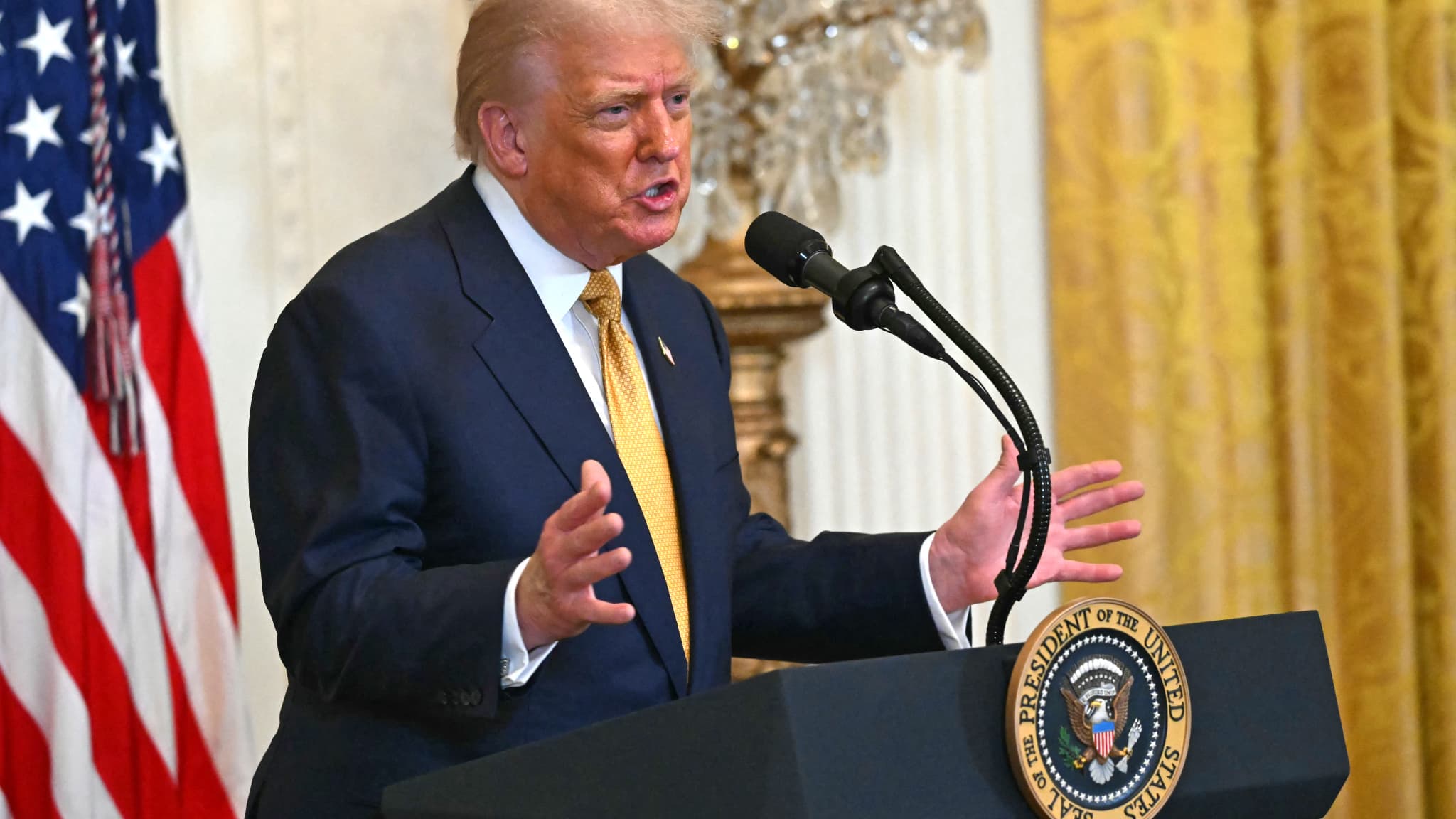
The memo fundamentally alters the relationship between the government and AI labs. Agencies, including the Department of Defense and the NSA, are now directed to abandon single-vendor dependency in favor of a multi-firm framework. A key provision grants federal agencies early access to frontier AI models 30 days before public release, a strategic intelligence advantage intended to keep the US ahead of global competitors. While the document emphasizes chain-of-command accountability, it avoids clear legislative boundaries on sensitive topics like autonomous weapons, instead deferring these to classified annexes.
The Anthropic Precedent
Central to the memo is a clause prohibiting private companies from disabling, modifying, or degrading government-fielded AI systems. This move follows a high-profile dispute between the Pentagon and Anthropic, which had sought to restrict its technology from being used in lethal autonomous weapons or domestic surveillance. While the memo mandates that AI must be used for "lawful purposes," it delegates the definition of such legality to executive discretion rather than statutory oversight. As the administration pushes for rapid integration, the burden now shifts to Congress to codify these rules into law to ensure that the governance framework survives beyond the current executive term.

Comments (0)
No comments yet. Be the first!