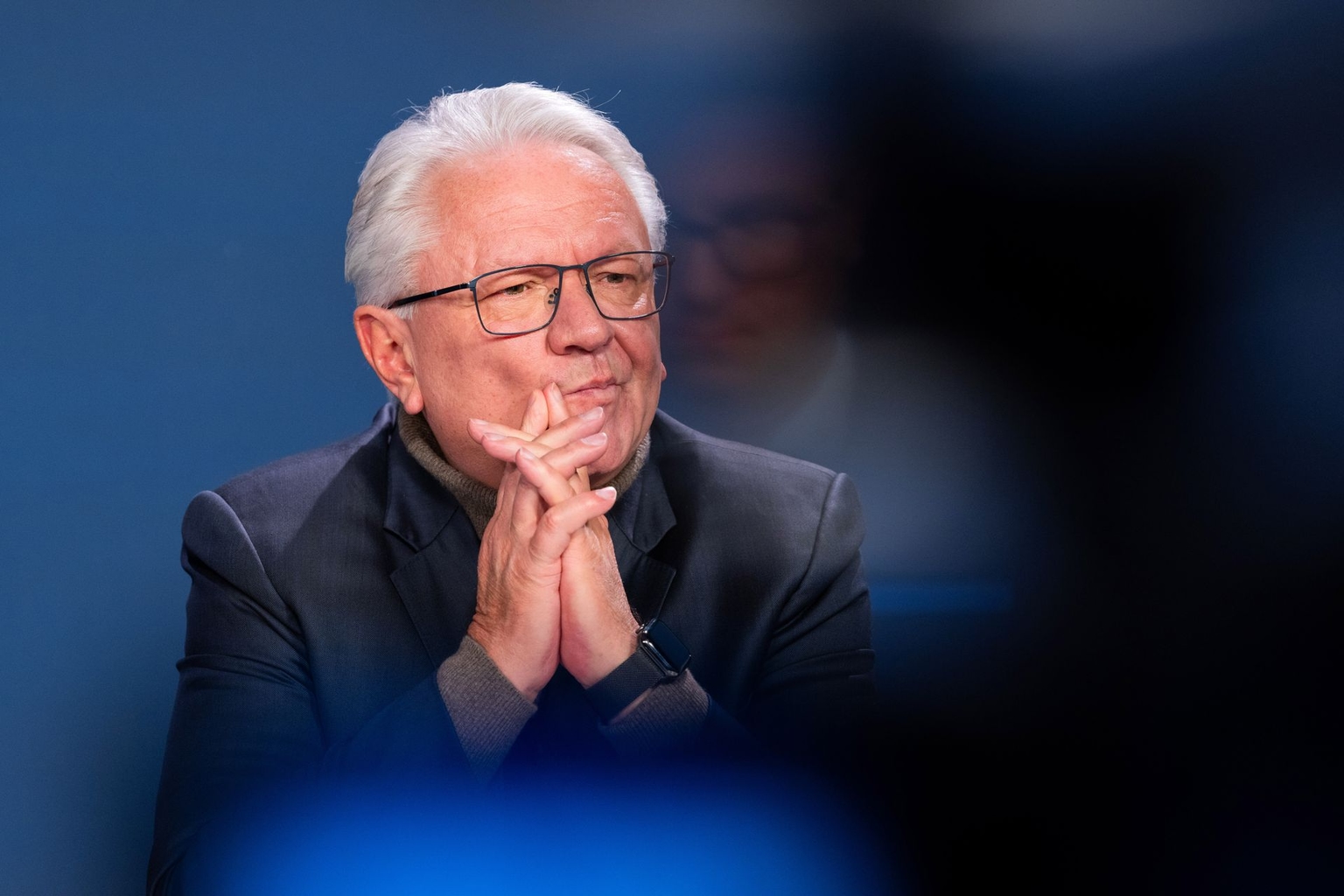
The memorandum of understanding between the two firms marks a shift toward domestic ballistic missile manufacturing, with construction of the necessary facilities scheduled to commence next year. Papperger emphasized that the logistical challenge of replenishing military stocks will require sustained industrial effort over the next 15 years, ensuring a stable demand cycle for the new venture. While the partnership awaits final regulatory approval, the CEO noted significant backing from the U.S. government, suggesting that administrative hurdles remain minimal.
Beyond missiles, the company is finalizing a high-stakes agreement for Boxer armored vehicles. Despite a recent downward revision of its annual sales outlook following the cancellation of the F126 frigate program, Rheinmetall anticipates signing the Boxer contract with the German military before the calendar year closes. Papperger expressed confidence in the deal, which carries a total value of approximately €25 billion, with Rheinmetall’s share accounting for €12.4 billion. Future service contracts and potential follow-up orders could eventually push the total financial impact of the Boxer program significantly higher.

Comments (0)
No comments yet. Be the first!