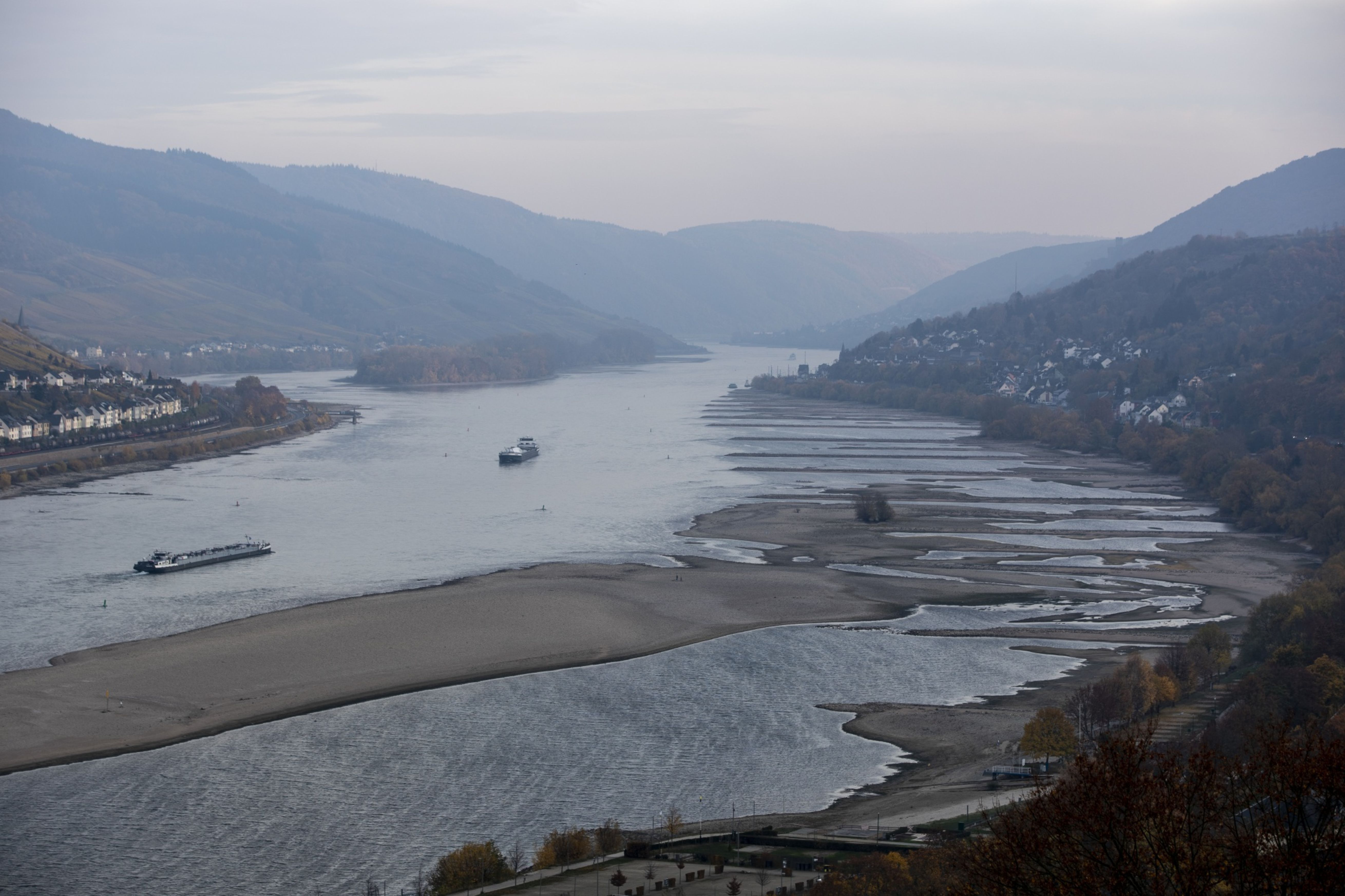
The Rhine river, a vital artery for German industry, serves as the most immediate concern. Low water levels have forced cargo services to reduce loads or suspend operations, echoing the supply chain anxieties previously reserved for geopolitical conflicts. Nomura senior European economist Andrzej Szczepaniak is monitoring the Kaub gauge daily, as the river moves roughly 80% of Germany's inland freight. Any further drop in water levels threatens to squeeze industrial production, complicating the European Central Bank's efforts to balance economic growth against persistent inflation.
Agricultural output is facing a similar strain. Heatwaves and the lingering effects of El Niño are expected to drive up food prices, creating a potential double-whammy for central banks already struggling with energy price shocks. Research from the University of Mannheim and the ECB suggests that climate-related events shaved 0.3% off Europe’s economic output last summer, with cumulative losses potentially reaching 0.8% by 2029.
Financial markets are adapting by shifting capital toward climate-hedging instruments. Assets in catastrophe bond funds have surged to nearly $38 billion—a 70% increase since June 2023—as insurers scramble to offload risks associated with wildfires and floods. Simultaneously, trading volumes for European weather futures on the CME have climbed 30% this year. While the heat presents a systemic threat to growth, it has also spurred a retail boom. Manufacturers like De'Longhi report double-digit growth in cooling-product sales, reflecting a broader shift in consumer spending. With the European Commission projecting the number of air conditioning units in the EU to surpass 100 million by 2030, cooling demand has become a permanent fixture in regional economic statistics.



Comments (0)
No comments yet. Be the first!