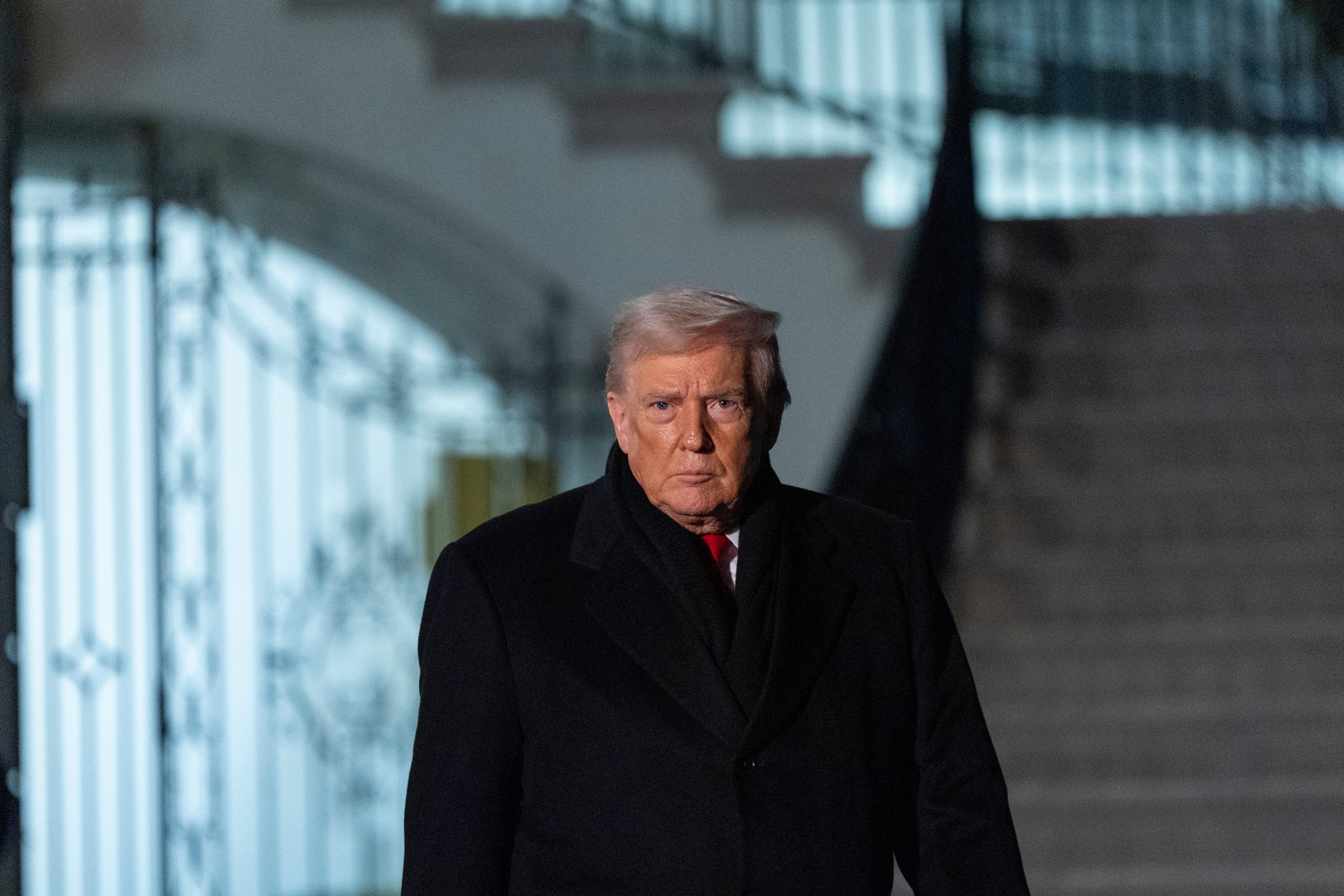
Trump described the ongoing dialogue as a significant opportunity for Tehran to reach a settlement, specifically highlighting the reopening of the Strait of Hormuz as a primary objective. Maritime traffic through the strait has been paralyzed since February 28, causing severe disruption to global energy markets and heightening regional security tensions. Despite the administration's optimistic rhetoric, the president warned that any collapse in negotiations would result in a forceful military response. This dual-track strategy of public threats paired with assertions of diplomatic activity mirrors the administration's broader approach to the crisis.
While Qatar reports that mediators are closing in on a breakthrough, the persistent disconnect between Washington’s claims of direct talks and Tehran’s flat denials casts doubt on the progress achieved. Furthermore, Trump’s rhetoric has reignited international concerns regarding the legality of potential military targets. Legal experts warn that any strike against Iranian civilian infrastructure would violate the 1949 Geneva Conventions, which protect facilities essential to civilian survival. As the administration attempts to maximize leverage through coercive pressure, the lack of a shared framework leaves the Strait of Hormuz in a state of geopolitical limbo, with global markets remaining vulnerable to the conflicting narratives emerging from both capitals.


Comments (0)
No comments yet. Be the first!