The strategy, detailed in the annual defense assessment, signals a shift in how Tokyo justifies its largest military buildup since World War Two. By encouraging collaboration between startups and defense contractors, the administration seeks to modernize its capabilities while stimulating the civilian economy. This vision is mirrored in the white paper’s aesthetic: an anime-style cover showcasing a gleaming, peaceful cityscape, a departure from the combative imagery used in previous years.
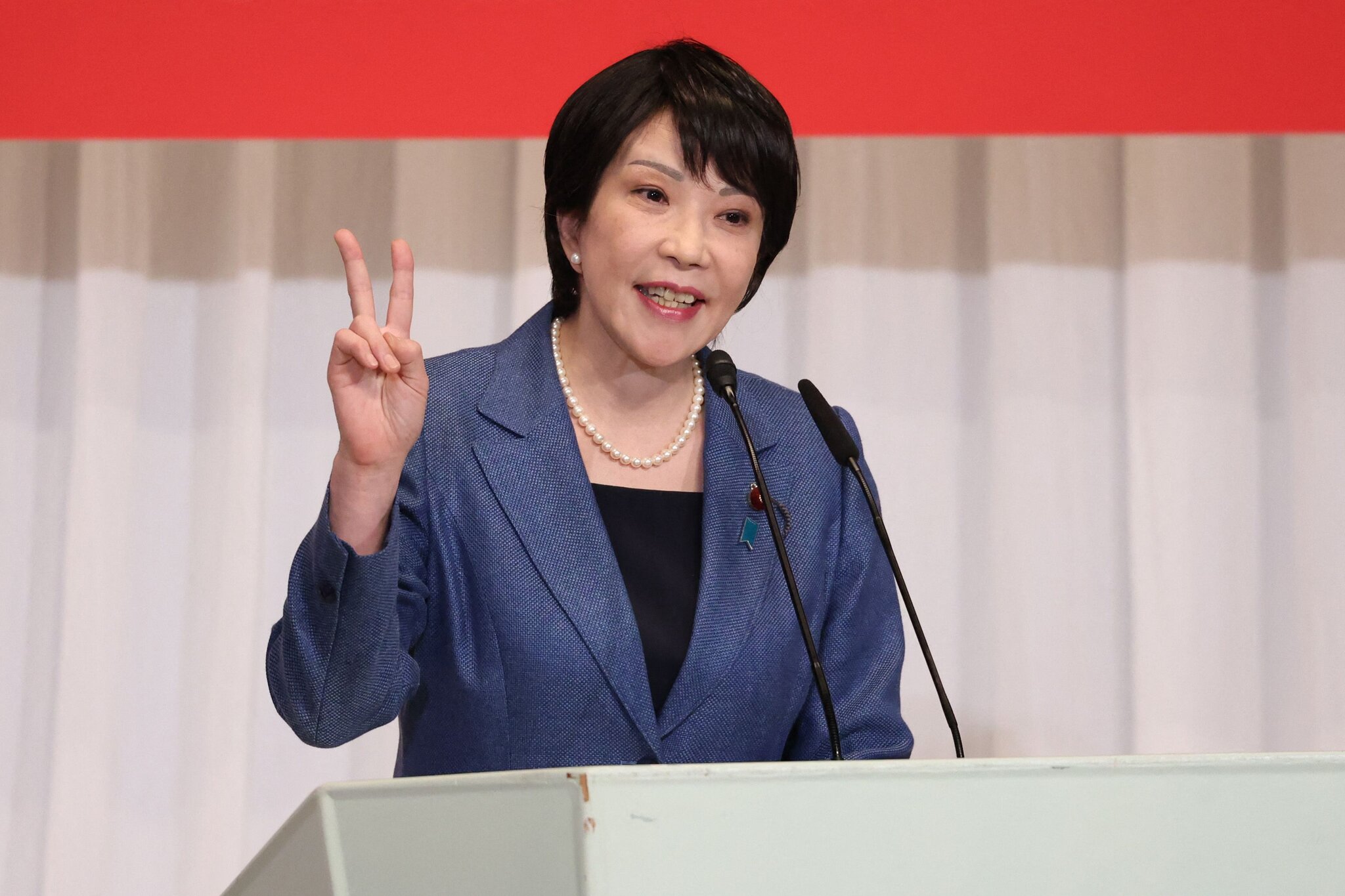
Despite the domestic pitch, the policy faces significant geopolitical friction. Beijing has dismissed the document as a collection of false narratives designed to justify remilitarization. Chinese Defense Ministry spokesperson Chen Xi cautioned Tokyo against interfering in regional affairs, specifically regarding Taiwan. Meanwhile, the financial reality remains complex. While defense-related spending has reached 2% of GDP, Prime Minister Sanae Takaichi faces the challenge of funding further expansions without destabilizing Japan’s heavily burdened public finances. Future investments are expected to prioritize unmanned systems and long-range strike capabilities, reflecting lessons learned from ongoing conflicts in Europe.


Comments (0)
No comments yet. Be the first!