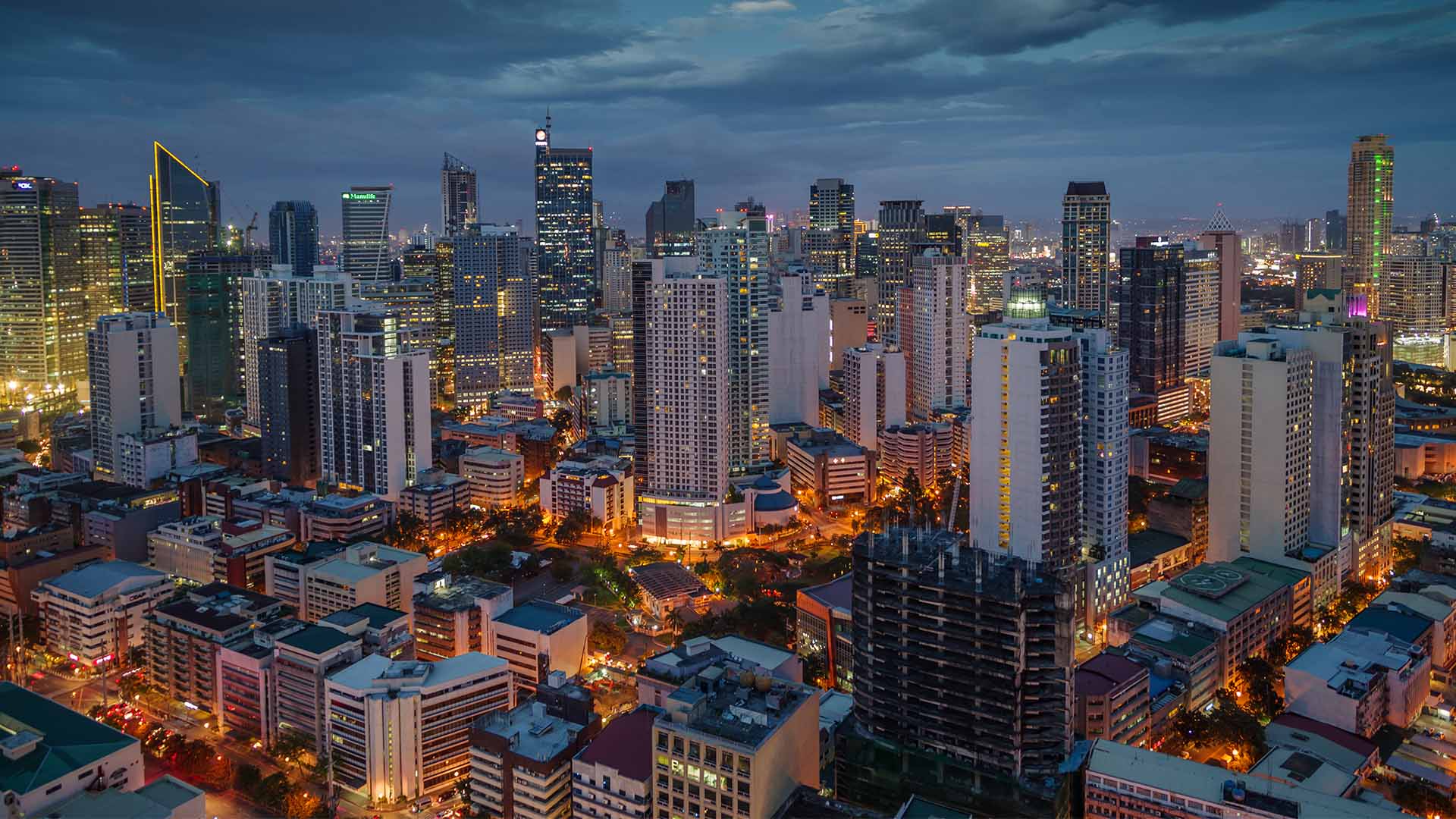
The World Bank’s latest assessment positions this new classification as a transition point rather than a final destination. While the upgrade bolsters the nation's international profile and signals institutional stability to global investors, the domestic reality remains complex. Economic growth is forecast to soften to 3.7 percent by 2026, hampered by policy uncertainty and a dip in foreign direct investment. Meanwhile, inflation, which averaged 4.8 percent in the first half of the year, continues to erode household purchasing power, threatening to push an estimated two million Filipinos into poverty.
To avoid the middle-income trap, the government faces a narrow path forward. Sustaining this momentum requires a deliberate shift toward productivity-driven development and the removal of deep-seated structural bottlenecks. Most critical is the energy sector, where high costs remain a primary drag on industrial competitiveness. The World Bank estimates that increasing the renewable energy share to 35 percent by 2030 could slash residential electricity prices by nearly 28 percent, creating over 160,000 jobs in the process. For policymakers, the challenge is clear: turning international recognition into tangible improvements in living standards while balancing price stability with the need for a sustained rebound to 5.2 percent growth by 2027.

Comments (0)
No comments yet. Be the first!