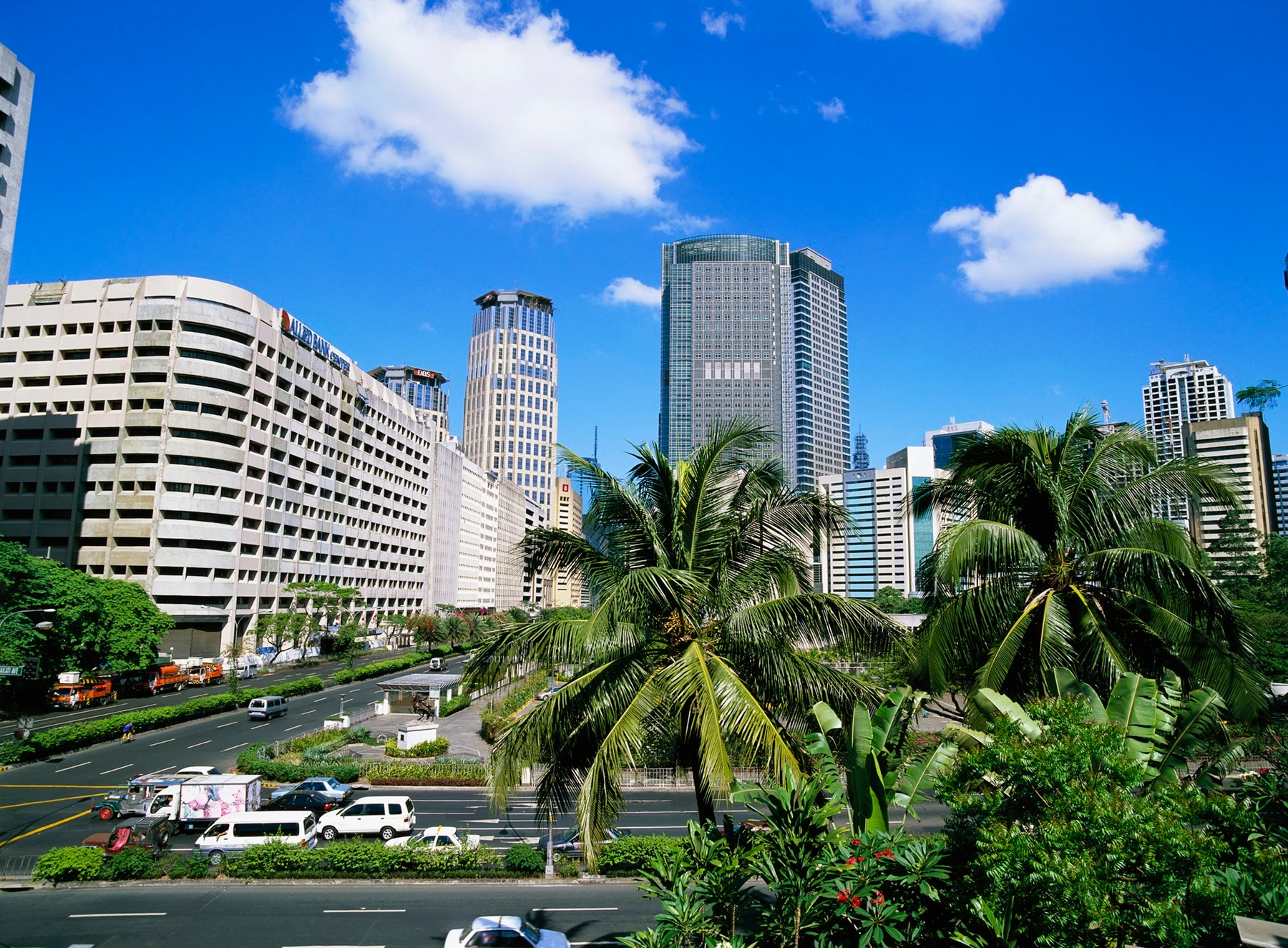
The national economy faces a cooling period, with growth projected to hit 3.7% in 2026. Policy uncertainty has hampered fixed investment, while elevated global energy costs pushed average inflation to 4.8% during the first half of the year. These conditions disproportionately impact lower-income families, threatening to push approximately 2 million people into poverty unless the government bolsters social safety nets, such as the 4Ps conditional cash transfer program.
Zafer Mustafaoglu, World Bank Division Director for the Philippines, Malaysia, and Brunei, emphasized that while the new income classification is a testament to national effort, long-term stability hinges on aggressive policy adjustments. The report identifies electricity costs as a primary obstacle to competitiveness, as the country maintains some of the highest power prices in the ASEAN region.
Transitioning to renewable energy offers a clear path toward relief. By increasing renewables to 35% of the power mix by 2030 and optimizing grid infrastructure, the Philippines could reduce residential electricity costs by up to 28%. Such a shift, according to the analysis, would create roughly 161,000 jobs and lift 730,000 Filipinos out of poverty, potentially accelerating economic growth to 5.2% by 2027.


Comments (0)
No comments yet. Be the first!