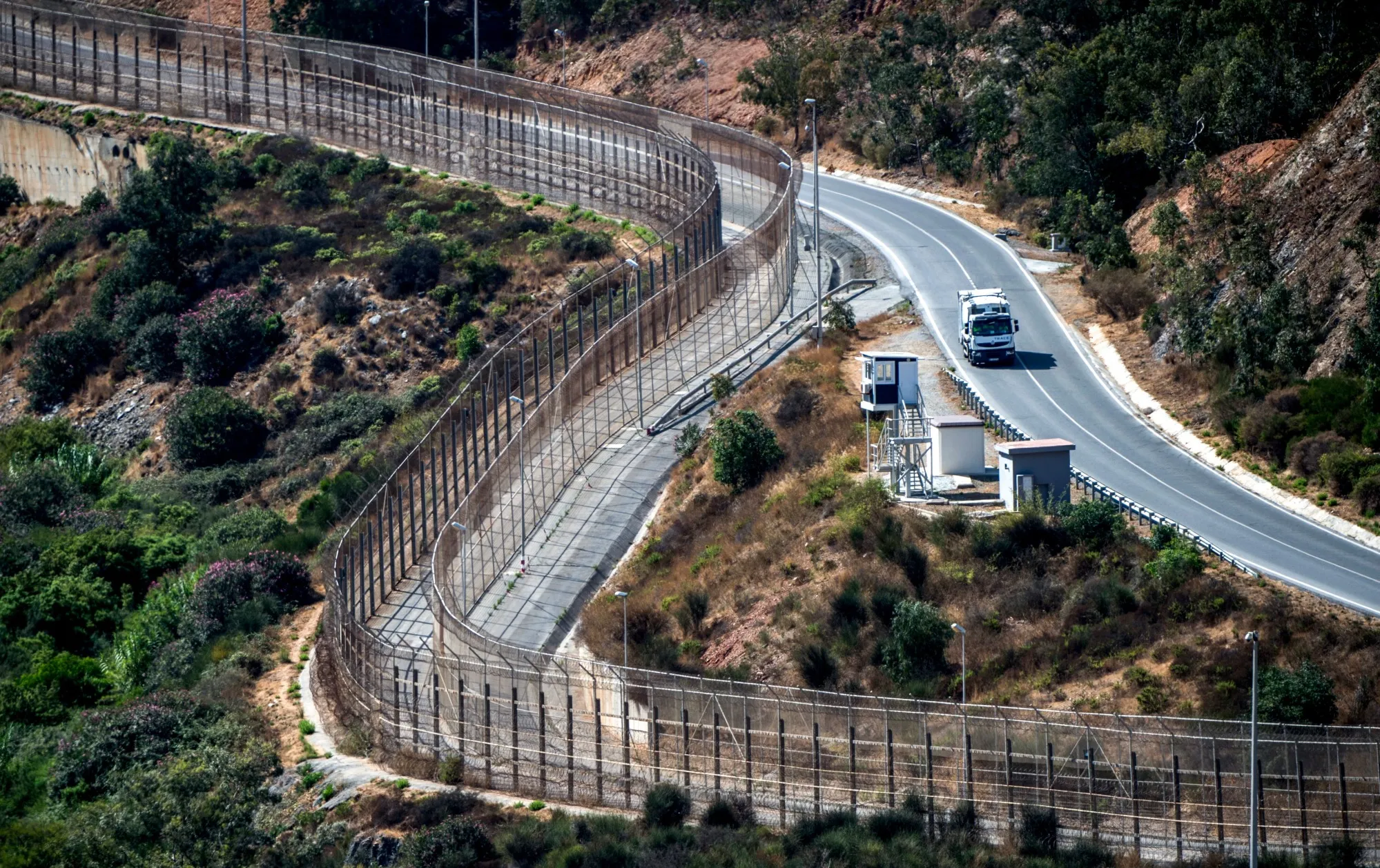
Beijing’s approach centers on the concept of a shared future for mankind, a diplomatic framework used to justify deeper involvement in the border regions of Ceuta and Melilla. By funding social centers and industrial zones, China aims to address the socioeconomic drivers of irregular migration among Moroccan youth. This strategy serves a dual purpose: it softens Beijing’s international image while creating a foothold in territories that serve as Europe’s southern gateway.
The economic and logistical motivations for this engagement are rooted in the Belt and Road Initiative. Proximity to the Strait of Gibraltar allows China to integrate its trade routes more effectively with Spain and North African markets. Analysts suggest that by participating in the development of regional infrastructure, such as the Nador West Med port, China could secure vital logistical hubs. Furthermore, the potential integration of Chinese surveillance and communication technologies at these borders would solidify a long-term digital and security presence in the region.
Rather than direct political intervention, China relies on soft diplomacy and capital to balance Western influence. By embedding itself into bilateral agreements between Rabat and Madrid, Beijing seeks to transform the border crisis into an opportunity for industrial and technological expansion. Projects like Tangier Tech serve as blueprints for this model, where Chinese investment attempts to stabilize local economies to mitigate the pressure of migration, effectively positioning Beijing as an indispensable actor in European-African relations.


Comments (0)
No comments yet. Be the first!