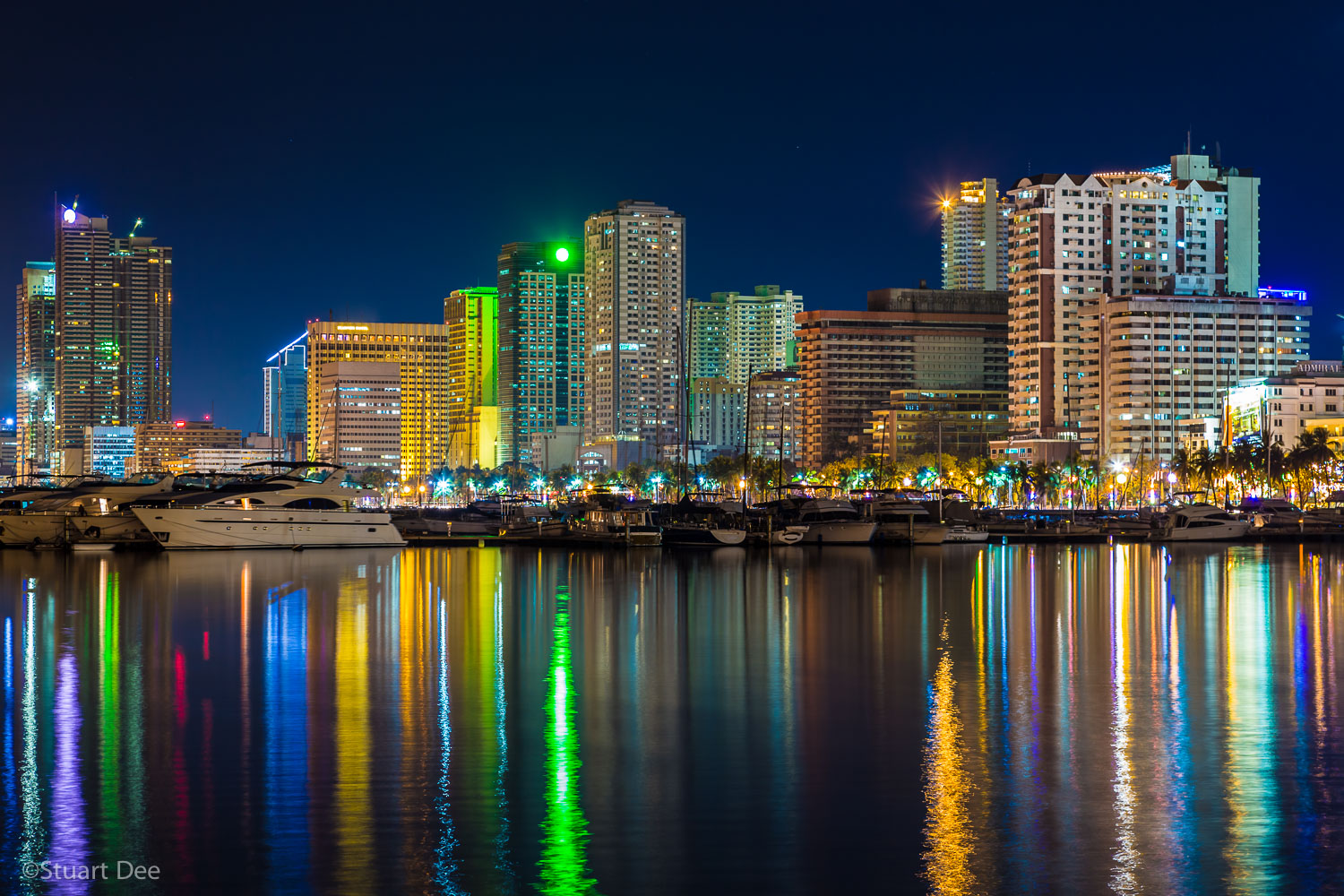
The Philippines faces a projected growth slowdown to 3.7 percent in 2026, hampered by policy uncertainty that has stifled foreign direct investment. Compounding this, domestic inflation averaged 4.8 percent during the first half of the year, disproportionately impacting the poorest 30 percent of households. World Bank director Zafer Mustafaoglu noted that maintaining this new economic tier requires immediate, decisive reforms to protect vulnerable families and restore investor confidence.
Strategic Shifts in Energy and Policy
To regain momentum and reach a projected 5.2 percent growth rate by 2027, the government is urged to expand social assistance, specifically by extending the 4Ps conditional cash transfer program to near-poor households. Projections suggest this could shield 2 million Filipinos from falling into poverty. Furthermore, addressing the nation's high electricity costs—among the highest in ASEAN—is critical for long-term competitiveness. Transitioning to 35 percent renewable energy by 2030, supported by modernized grid infrastructure, could slash residential power costs by 28 percent. Such a shift promises to generate 161,000 new jobs and lift nearly 730,000 people out of poverty, providing a clearer pathway toward sustainable development.

Comments (0)
No comments yet. Be the first!